Beginning a roof repair project requires planning and preparation to protect your home. Before undertaking this project, homeowners should understand the materials, safety factors, and potential challenges to prevent further damage and errors. Here are a few things to know when starting a roof repair project.
Inspection and Materials
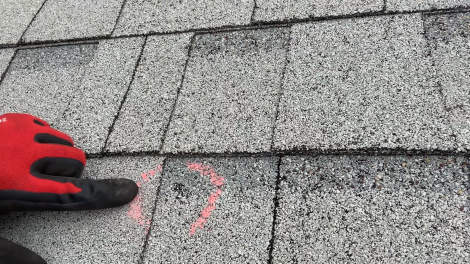
A repair project starts with an initial inspection to assess damage. This may include checking for missing or broken shingles, leaky points, or signs of structural issues. Inspections also look for biological growths on the roof or the underdeck. This inspection will help you determine whether you need a repair or if the damaged area requires an entire roof replacement.
The success of a repair depends on the quality of the materials used in the project. Common materials include shingles, metal roofing, tiles, and wood. Select a material that offers durability and is compatible with your roof’s existing material. You should also use a material that complements your home’s overall aesthetic. A homeowner may also opt to use modern technologies for coating and insulation to increase energy efficiency and the roof’s structural integrity. Energy-efficient coatings are designed to provide an added layer of protection while also alleviating the stress caused by rising utility bills.
Contractors and Project Timeline
Seek contractors who are well-trained in both repair and installation projects. They should be knowledgeable about the required permits and codes to avoid legal complications and keep the project on schedule. A home roof repair may cause inconvenience to a homeowner’s day-to-day activities. From noisy equipment to large piles of materials, this can make a jarring presence when coming home from work or trying to relax inside. Communicate with your contractor to have a timeline for the different stages of the project. This will help with scheduling, planning, and mitigating household interruptions during the repair process.
You can make the process go more easily by making sure access points to the roof are clean and clear. This will help the roofers have a place to store their equipment, vehicles, and other items. It will also help make sure that the project is organized and not cluttered.
Impact on the Environment
There are various ways to help minimize the environmental impact of repairs. Opt for roofing materials that are durable, low-maintenance or require fewer repairs, and have minimal land use impact. These materials reduce residents’ maintenance and repair efforts while still helping to create positive improvements with long-term sustainability trends.
Contractors should also properly dispose of replaced materials by recycling what they can. Reducing waste and selecting eco-friendly products lowers the overall carbon footprint of the project. Planning repairs to limit unnecessary demolition preserves natural resources and supports sustainable construction practices. These sustainable practices streamline efforts toward attaining environmental sustainability.
Schedule Your Roof Repair Today
Understanding each step from the start to the completion of a project is necessary for managing roof repair projects. Homeowners should do research before hiring a contractor, while contractors should do their due diligence when it comes to assessing damage and selecting proper materials for repair. Reviewing local permit requirements can help prevent delays and confirm compliance during the project. Contact a professional roofer today to start your project.