
Key Takeaways
- Modern technology has become critical for boosting efficiency and minimizing costs in commercial construction.
- Innovations such as Building Information Modeling (BIM) and cloud-based collaboration improve coordination and transparency.
- Artificial Intelligence (AI) and automation drive productivity and foster safer worksites.
- Utilizing modular building, energy-efficient design, and eco-friendly practices promotes speed, cost savings, and environmental responsibility.
In the fast-paced world of commercial construction, harnessing modern technology is no longer a luxury but a necessity. Industry leaders like JR & Co recognize that leveraging advanced digital tools and data-driven processes can help construction companies deliver projects faster, reduce risk, and maintain high standards of quality. As client demands and regulatory requirements grow, competitors who implement these emerging technologies seize an advantage by completing jobs on time and under budget.
Revolutionary changes in project management, design, and site operations are fueling a transformation across the sector. Firms are moving away from outdated methods and adopting digital solutions that unify teams, optimize workflows, and enable informed decision-making. This approach ultimately results in more collaborative projects, improved communication, and measurable savings.
With continued advancements bringing new value to the field, construction professionals need to stay informed about the latest digital trends, tools, and best practices. Firms that invest in these solutions are better equipped to stand out and deliver high-performance projects in competitive urban markets.
Building on the momentum of digital transformation, leading firms are also looking at how to use technology for compliance, jobsite safety, and long-term sustainability. These priorities have spurred the adoption of a variety of digital solutions that connect teams, automate data capture, and optimize every aspect of the construction lifecycle. For further reading on digital transformation in construction, see recent coverage by Forbes.
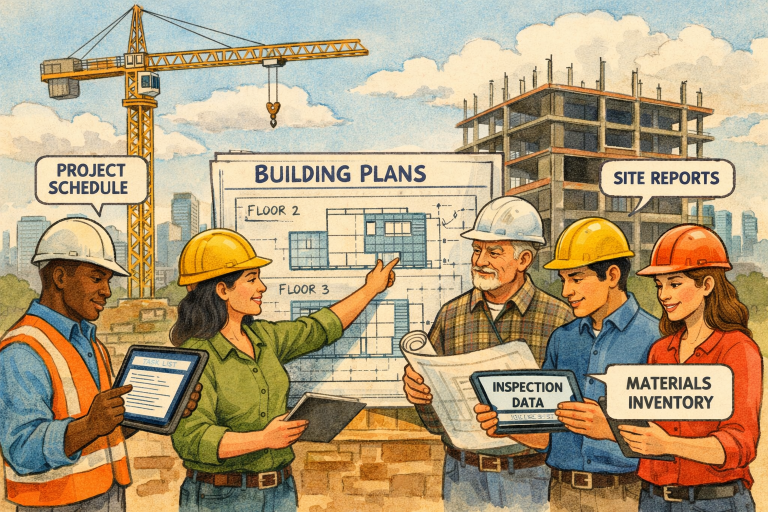
Building Information Modeling (BIM)
Building Information Modeling (BIM) is reshaping how stakeholders approach design and planning. By developing a highly detailed digital model of a structure, BIM offers architects, engineers, contractors, and owners the ability to visualize every component of a project before work begins. The collaborative platform reduces ambiguity and allows for early detection of design conflicts, which helps minimize costly field errors and delays. In addition, BIM gives project managers robust tools for quantity takeoffs, phasing, and lifecycle analysis, providing value from planning through maintenance.
Cloud-Based Collaboration Tools
Timely decisions and clear communication are fundamental to flawless project delivery. Cloud-based construction platforms make it simple for teams to access real-time project data, manage documents, and update schedules from any device or location. These digital hubs break down traditional barriers between field and office, enable transparent workflows, and speed up document approvals. By housing all information on a secure cloud platform, stakeholders can detect problems sooner and collaborate on solutions efficiently.
Artificial Intelligence and Automation
Artificial Intelligence (AI) and process automation are rapidly driving innovation across commercial job sites. AI-powered software tools can parse massive data sets to forecast labor needs, predict possible project setbacks, and generate resource plans that maximize productivity. Smart cameras and machine learning algorithms also monitor jobsites to enforce safety protocols and minimize risks. Meanwhile, robotics and automation simplify repetitive and high-risk tasks such as inspections, equipment tracking, and material handling. These advances not only reduce manual labor but also help ensure that projects are delivered safely and on schedule.
Modular Construction
Prefabrication and modular construction offer compelling solutions for speeding up delivery and reducing site-generated waste. In modular construction, building components are manufactured in climate-controlled facilities and then transported to job sites for rapid assembly. This approach mitigates weather delays, boosts quality control, and limits disruption to neighboring communities. Prefabrication is especially valuable on projects with accelerated timelines or those located in busy urban environments. Projects using modular techniques often see significant cost savings and waste reduction compared to traditional building approaches.
Sustainable Practices
Sustainability is now a top priority across all stages of commercial construction. Builders are integrating green practices that conserve resources, reduce emissions, and comply with regulatory mandates. This includes using recycled or locally sourced materials, designing structures to maximize energy efficiency, and smart building systems to manage lighting, HVAC, and energy use. Many firms seek third-party certifications such as LEED to demonstrate their commitment to sustainability, which also positions them for new business opportunities in future-focused markets.
Advanced Project Management Software
Cutting-edge project management software centralizes every facet of commercial construction, including budget tracking, resource allocation, and timeline management. Real-time dashboards and integration with accounting tools keep all stakeholders updated on project performance and potential risks. Data-driven reporting allows for continuous improvement and transparent client communication, vital for staying on budget and meeting deadlines in today’s construction ecosystem.
Conclusion
Modern technology is fundamentally transforming how commercial construction projects are planned, executed, and delivered. By integrating tools like BIM, AI, cloud-based collaboration, modular building, and robust project management platforms, forward-thinking companies reduce risks, lower costs, and improve quality. Technology-driven strategies are not just a competitive advantage but essential for success in an increasingly demanding and sustainability-oriented industry.
- Small Mental Wellness Habits for Albuquerque’s Everyday Life
- Finding Your Dream Home in St. Paul, Minnesota: A Comprehensive Guide
- How Does Blockchain Technology Work Step by Step? (Simple Guide)
- Purchasing a Home in Danville, California: A Comprehensive Guide
- Streamlining Commercial Construction Projects with Modern Technology
0