
Key Takeaways
- Headache management requires understanding the types of headaches, their triggers, and individualized solutions.
- Lifestyle choices, alternative therapies, and both OTC and prescription treatments are pillars of long-term management.
- Tracking headaches and consulting professionals are crucial for people with severe, frequent, or unusual symptoms.
Understanding Different Types of Headaches
Headaches are among the most prevalent health issues worldwide, disrupting daily routines and negatively impacting quality of life. While most headaches are manageable, recognizing the underlying type is crucial, as each presents distinct symptoms and requires unique management approaches. The three most common headache types are tension headaches, migraines, and cluster headaches. Tension headaches feature a mild, persistent ache, migraines cause intense throbbing pain, often on one side of the head, and cluster headaches bring severe pain around one eye, usually for brief periods.
Early identification of symptoms—such as duration, location, and associated features—guides effective relief and helps avoid complications. In many cases, symptoms may overlap with conditions such as allergies, sinus infections, or even constipation, highlighting the importance of a personalized evaluation. It is essential to monitor any changes in symptom severity or frequency, as this information can help healthcare providers make accurate diagnoses. Additionally, keeping a detailed symptom diary can be beneficial for identifying potential triggers or patterns that may be contributing to your symptoms. Seeking timely medical advice ensures that underlying issues are properly addressed, promoting better health outcomes.
Identifying Common Triggers
Understanding what triggers headaches is a critical step toward controlling their onset. Common culprits include emotional stress, dietary factors such as caffeine or certain cheeses, dehydration, and erratic sleep schedules. Tracking patterns through a headache diary—logging foods, behaviors, sleep, and stressors—can reveal valuable insights about specific triggers and help minimize their occurrence.
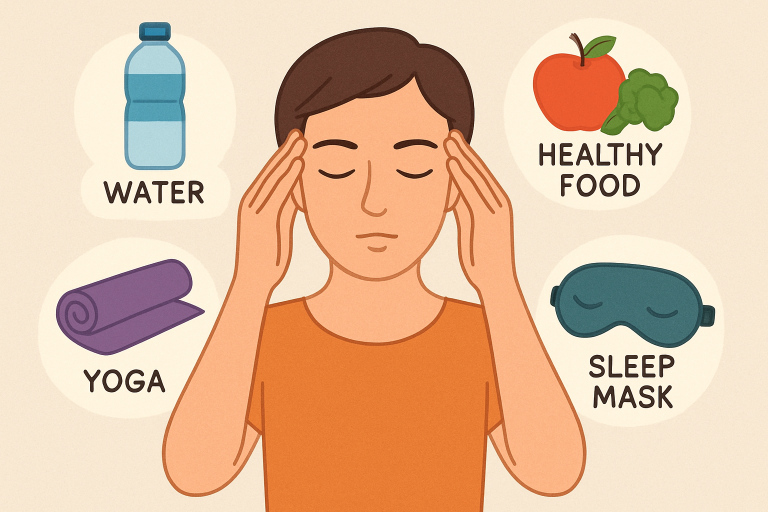
Notably, hydrated individuals may experience shorter headache duration. According to research published in The Journal of Headache and Pain, increasing daily water intake can significantly decrease headache frequency and severity, underscoring the importance of fundamental lifestyle adjustments in headache care.
Implementing Lifestyle Modifications
Proactive lifestyle modifications form the cornerstone of long-term headache management. Regular physical activity reduces stress and lowers migraine risk, while maintaining a consistent sleep routine can help prevent both migraine and tension headaches. Adhering to a balanced diet and avoiding identified food triggers eliminates variables that may provoke attacks. Integrating stress-reduction techniques—such as meditation and yoga—offers natural ways to regulate nervous system responses and decrease the frequency of attacks.
Exploring Alternative Therapies
In addition to conventional approaches, alternative therapies are effective in reducing headaches for many individuals. Acupuncture, which involves targeted needle insertion to promote relaxation, has shown promise in reducing both the severity and frequency of migraines and chronic headaches. Regular massage therapy, particularly of the neck and shoulders, helps alleviate tension and enhance circulation. Chiropractic adjustments and aromatherapy, using essential oils such as peppermint or lavender, may also offer soothing effects.
Utilizing Over-the-Counter Medications
Over-the-counter (OTC) medications are often the first-line options for mild to moderate headache relief. Common analgesics, such as ibuprofen and acetaminophen, can quickly reduce pain. Some products combine these ingredients with caffeine for enhanced benefits. However, prudent use is essential—overuse of OTC pain relievers can lead to rebound headaches or gastrointestinal complications. Always follow dosage recommendations and consult a healthcare provider if you experience frequent or escalating symptoms.
When to Seek Professional Help
While most headaches are benign, certain patterns warrant medical evaluation. Persistent, frequent, or abnormally severe headaches that disrupt your daily life, or those accompanied by neurological changes (such as vision trouble, confusion, or speech disturbance), should not be ignored. Such symptoms may signal an underlying health concern that requires prompt attention. Similarly, new headaches in individuals over 50 or those with a history of cancer or immune disorders justify a clinical assessment.
Preventive Medications and Treatments
When headaches become chronic or severely disabling, preventive solutions may be needed. Prescription medications such as beta-blockers, tricyclic antidepressants, or anticonvulsants can significantly reduce headache frequency for qualifying patients. Botox injections are a proven option for people with chronic migraines, often yielding months-long relief. Technological options, such as neuromodulation devices that apply electrical or magnetic pulses to disrupt pain signaling pathways, also show promise for certain types of headaches. Decisions about preventive therapies should be personalized and made under medical supervision, as effectiveness and risk profiles vary among individuals.
Developing a Personalized Headache Management Plan
Creating a tailored headache management strategy involves identifying triggers, making lifestyle adjustments, targeting symptoms with specific therapies, and conducting routine reassessments. Work with your healthcare provider to adjust your plan as needs evolve. By taking an active approach—including regularly reviewing triggers, therapy effects, and emerging symptoms—you enhance both headache control and long-term quality of life.
Reducing headache burden is not a one-size-fits-all journey, but understanding your headaches and proactively managing their triggers allows you to regain control and lead a healthier, more comfortable life.
- Finding Your Dream Home in St. Paul, Minnesota: A Comprehensive Guide
- How Does Blockchain Technology Work Step by Step? (Simple Guide)
- Purchasing a Home in Danville, California: A Comprehensive Guide
- Streamlining Commercial Construction Projects with Modern Technology
- Transforming Your Bathroom: The Benefits of Converting a Tub to a Walk-In Shower