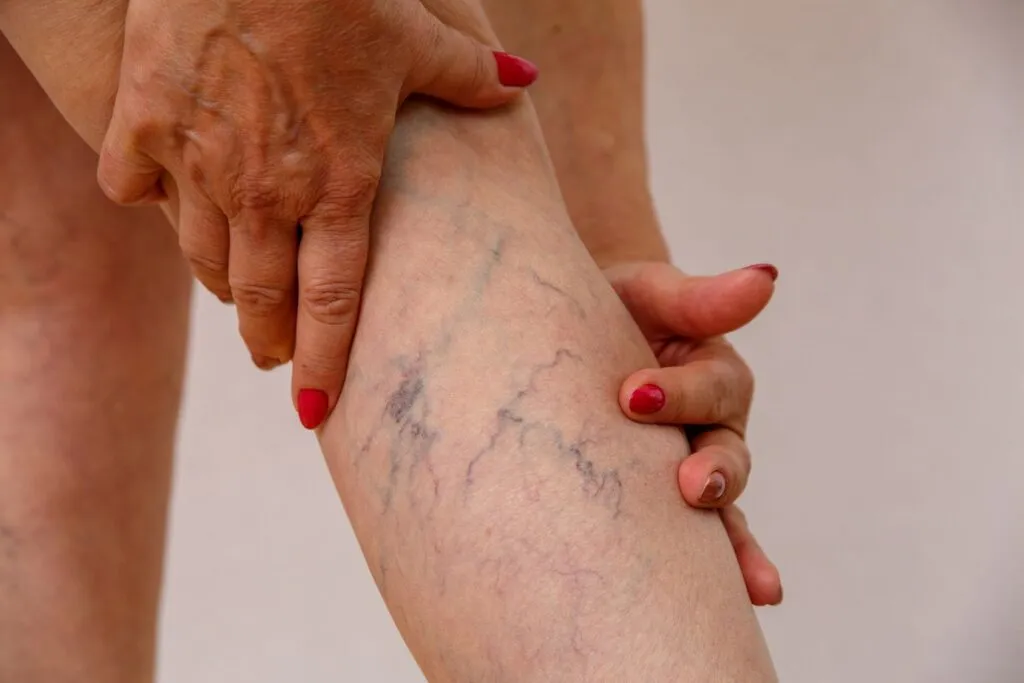
A podiatrist is a doctor who manages conditions affecting the lower extremities. Because the feet and ankles contain complex networks of bones, ligaments, tendons, and nerves, a dedicated specialist is necessary to address structural abnormalities and functional issues. There are many reasons to visit a podiatrist, and your first visit lays the foundation for your ongoing care. Here’s information on visiting a podiatrist:
General Exam
You should schedule an appointment with a specialist if you experience pain in your feet or ankles, notice sudden changes in your skin or nails, or develop structural deformities. Your general physician may refer you to a podiatrist for specialized evaluation of these localized issues. During a general examination, the podiatrist begins by visually inspecting your feet for any obvious signs of swelling or discoloration. They will then perform a physical assessment by palpating the bones and joints to identify areas of tenderness.
Your specialist will typically check your range of motion by moving your ankles and toes through various positions. They may also observe your gait by watching you walk across the examination room to identify biomechanical imbalances. The podiatrist will evaluate your lower extremities, and they will use this information to create a comprehensive management plan. Depending on their initial findings, your doctor might order diagnostic imaging, such as X-rays or ultrasounds, to examine your underlying bone structure and soft tissues in greater detail.
Wound Care Services
Most podiatric exams will begin with a general evaluation, but individuals living with diabetes or ongoing wounds require specialized attention. Diabetics are at an increased risk of peripheral neuropathy and restricted circulation in the lower extremities. A diabetic foot care examination is a preventive measure that tracks changes in nerve function and blood flow. Other reasons you may need wound care include:
- Surgery Wounds
- Venous Ulcers
- Ischemic Ulcers
- Neuropathic Ulcers
- Pressure Injuries
During the wound care portion of the exam, the podiatrist evaluates your feet for signs of reduced sensation. They will also check the pulses in your ankles and the tops of your feet to assess your vascular function. Regular monitoring is a fundamental part of wound care, so your podiatrist will schedule routine check-ups to track your progress over time.
If you have an existing ulcer or lesion, the podiatrist will conduct a thorough wound care exam. They will measure the dimensions of the wound, assess the surrounding tissue, and carefully clean the area. Following the assessment, they will apply appropriate medical dressings to manage the wound environment, making sure you can reapply them as needed at home.
Injury Services
Athletes, runners, and individuals with active lifestyles frequently seek podiatric care for acute injuries or chronic overuse conditions. An injury examination focuses heavily on identifying the specific anatomical structures involved in your discomfort. The podiatrist will evaluate the stability of your joints, assess your muscle strength, and test your reflexes. They may also review your current footwear to check for abnormal wear patterns that indicate biomechanical flaws.
You can discuss your physical activity level during the consultation, and the podiatrist can recommend appropriate modifications to your exercise routine. This evaluation helps the podiatrist determine whether you need temporary immobilization, physical therapy, or custom orthotic devices to support your condition. Some common sports injuries include:
- Ankle Sprains
- Stress Fractures
- Plantar Fasciitis
Prepare for Your Podiatrist Visit
To make the most of your first appointment, gather relevant information before you arrive at the clinic. This appointment involves a comprehensive review of your medical history and a detailed physical evaluation of your lower limbs. Compile a complete list of your current medications, previous surgeries, and any relevant medical records or prior imaging studies. Write down any questions or symptoms you want to discuss to make sure you cover your concerns during your consultation. To learn more about preparing for your first visit, contact a podiatric practice today.
- Small Mental Wellness Habits for Albuquerque’s Everyday Life
- Finding Your Dream Home in St. Paul, Minnesota: A Comprehensive Guide
- How Does Blockchain Technology Work Step by Step? (Simple Guide)
- Purchasing a Home in Danville, California: A Comprehensive Guide
- Streamlining Commercial Construction Projects with Modern Technology