Varicose veins affect numerous individuals and can present as visible, enlarged blood vessels primarily located in the lower extremities. Patients may seek medical intervention to address the physical appearance and the physical discomfort associated with this vascular condition. Over the years, medical advancements have introduced various treatment modalities. Minimally invasive procedures, like Varithena, have gained prominence for their efficiency and reduced recovery periods.
What Are Varicose Veins?
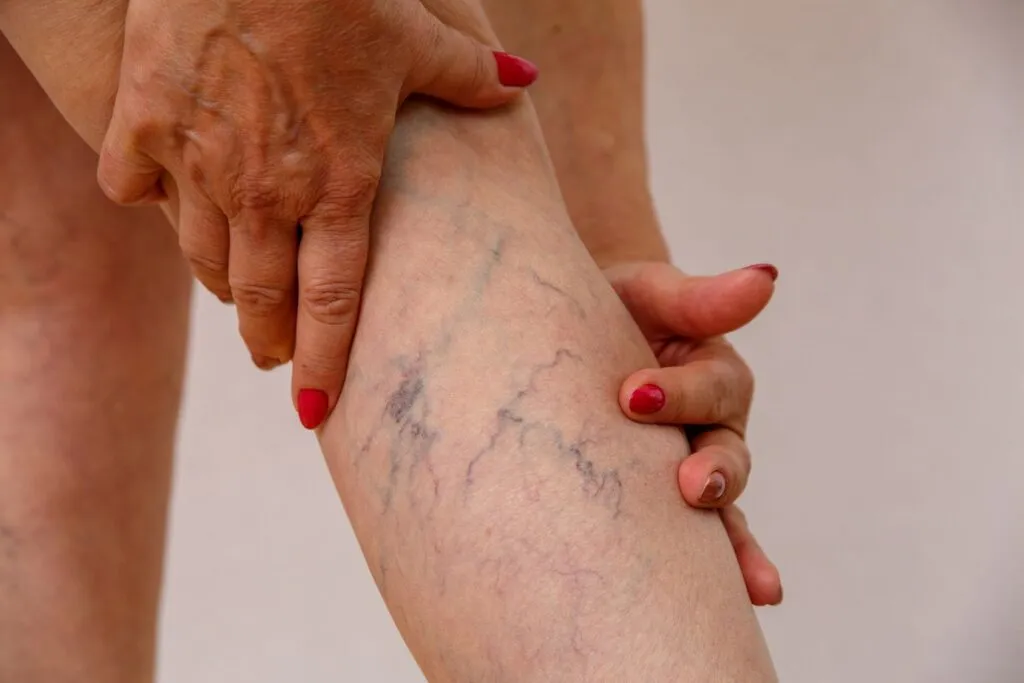
Varicose veins are structurally abnormal blood vessels that have become enlarged and twisted due to the accumulation of pooling blood. These veins typically develop in the legs, though they can manifest in other areas of the body. They often appear as rope-like structures with a distinct blue or purple discoloration beneath the skin surface.
Beyond their visual presentation, varicose veins may produce noticeable physical symptoms. Individuals with this condition often report a heavy, aching sensation in their lower limbs. Other common experiences include throbbing, cramps, localized swelling, and an uncomfortable burning feeling. The skin immediately surrounding the affected vein may also exhibit changes, such as itching or noticeable discoloration. These altered veins are primarily a cosmetic concern, but they serve as a primary indicator of underlying vascular dysfunction.
What Causes Them?
The human circulatory system relies on a series of one-way valves within the veins to push blood upward toward the heart. When these internal valves sustain damage or weaken over time, they fail to close properly. This malfunction allows blood to flow backward and accumulate inside the vein, leading to the characteristic swelling and twisting of a varicose vein.
Multiple factors contribute to valve deterioration and the subsequent pooling of blood. Genetics plays a significant role, as a family history of venous disease increases an individual’s likelihood of developing the condition. The natural aging process can also affect vein elasticity and valve function. Body weight may impact vascular pressure, meaning individuals who carry excess weight often experience a higher incidence of venous insufficiency.
How Does Varithena Treat Them?
Varithena functions as a specialized medical treatment; it is designed for specific types of venous abnormalities. It is an injectable prescription medicine containing polidocanol, categorized scientifically as a sclerosing agent. Medical professionals utilize this product to address visible varicose veins located both above and below the knee.
Administered primarily as a foam, the solution enters the compromised vein through a needle under direct medical supervision. Once inside the targeted blood vessel, the active ingredients work to collapse the malfunctioning vein. The body then naturally redirects blood flow to healthier, functional veins nearby. This procedure takes place in an outpatient clinical setting, which eliminates the need for general anesthesia or an extended hospital stay.
The administration of this medicine requires specific post-procedure protocols to optimize outcomes and minimize potential risks. Healthcare providers typically instruct patients to walk for 10 to 20 minutes immediately following the injection. Patients may need to wear dedicated compression stockings on the treated leg continuously for several days, since they help prevent the formation of unwanted blood clots. Medical guidelines dictate avoiding heavy exercise, hot baths, saunas, and extended flights for around a week.
Seek Professional Vascular Services
Addressing vascular concerns promptly can prevent the progression of venous disease. Untreated varicose veins occasionally lead to more complicated health issues, including the development of venous ulcers or blood clots. Receiving an accurate diagnosis is the first step toward restoring optimal leg health and improving daily comfort. Scheduling a thorough examination with a dedicated vein clinic provides access to expert guidance and modern therapeutic techniques.
- Small Mental Wellness Habits for Albuquerque’s Everyday Life
- Finding Your Dream Home in St. Paul, Minnesota: A Comprehensive Guide
- How Does Blockchain Technology Work Step by Step? (Simple Guide)
- Purchasing a Home in Danville, California: A Comprehensive Guide
- Streamlining Commercial Construction Projects with Modern Technology