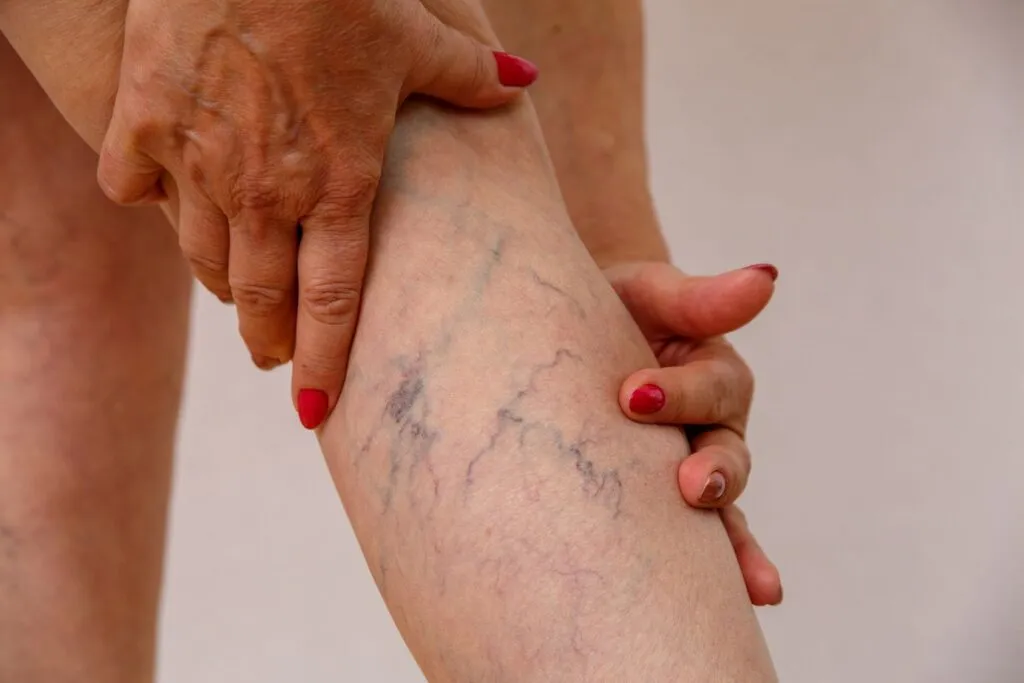
Diabetic neuropathy may cause daily discomfort. High blood sugar can damage nerves, and this sometimes leads to foot complications. Because a history of diabetes can increase risks, daily exercises can be included in routines to help manage symptoms. Some people find that home habits and self-care can help protect their feet and be part of an overall health plan.
Movement Strategies and Options
Moving your body helps support foot health. You can put your feet up to encourage blood flow and help prevent diabetic neuropathy. When you sit, wiggle your toes regularly to help reduce stiffness. Repeat this several times each hour. Move your ankles in circles, point your toes down, then bring them back toward you. Rotate your ankles to improve flexibility while sitting. Point your ankles inward and gently flex them up and down.
Take brief walking breaks around your home, even if you only walk from room to room. Change positions frequently. Physical therapy helps address strength and function. Therapists suggest safe exercises and monitor your tolerance. You might be guided to strengthen your lower leg muscles with light resistance activities, such as controlled calf raises or standing marches. If you have severe pain or limited mobility, consult your healthcare provider. Consistent movement supports nerve health, but always seek professional advice for your unique needs.
Hygiene and Routines
Wash your feet daily with lukewarm water and mild soap, but do not soak them. Check your feet every day. Look for blisters, cuts, bruises, redness, swelling, or any signs of irritation. Further warning signs include:
- An ongoing infected foot wound.
- Widespread pain, tingling, burning, or numbness.
- Lost muscle tone or sensation.
- Pain in your extremities that makes it hard to function.
- Changes in digestion or bathroom use.
- Dizziness and fainting.
Inspect the whole of your foot, since skin breakdown can begin in hard-to-see areas. If parts are hard to see, use a mirror or ask someone for help. Keep your feet dry. Dry your feet carefully, especially between the toes. Make foot checks and gentle cleaning a regular part of your routine. Trim your toenails straight across with clippers, not scissors, and keep them a moderate length. File the nail edges gently, and keep the surfaces smooth. If trimming is difficult, a podiatrist can assist and help reduce your risk of wounds. If your nails change color or thicken, or you notice new warmth, contact your healthcare provider to discuss potential concerns.
Wardrobe and Comfort Adjustments
Wear clean and dry socks. Choose socks made with moisture-wicking fibers, and avoid those with tight elastic bands. Change your socks every day, and inspect the inside of your socks for rough spots or wear. Cushioned shoes support your toes, and they may help protect your feet during daily activities. When buying new shoes, make sure they fit well and provide enough room for your toes. Rotate your shoes so they dry out between uses, which reduces the chance of fungal issues. When walking on hot pavement, wear shoes to protect your feet.
Prevent Diabetic Neuropathy Today
Medical treatments offer additional relief. While physical therapy improves mobility, anti-inflammatory steroid injections reduce swelling. Start your daily exercises now. Protect your feet from heat, and maintain proper blood sugar levels. Because neuropathy requires constant care, you must remain vigilant, and professionals can guide you.
- Small Mental Wellness Habits for Albuquerque’s Everyday Life
- Finding Your Dream Home in St. Paul, Minnesota: A Comprehensive Guide
- How Does Blockchain Technology Work Step by Step? (Simple Guide)
- Purchasing a Home in Danville, California: A Comprehensive Guide
- Streamlining Commercial Construction Projects with Modern Technology