As individuals age, their skin undergoes distinct structural changes. The natural production of collagen and elastin decreases over time, which leads to a loss of firmness and the gradual appearance of fine lines. People may rely on daily topical products to maintain their skin. While daily cleansers and moisturizers provide a strong foundation, they primarily affect the outermost layer of the epidermis. Microneedling offers a structured approach to skin rejuvenation. By working in tandem with your daily habits, this procedure addresses changes beneath the surface layer.
What Is Microneedling?
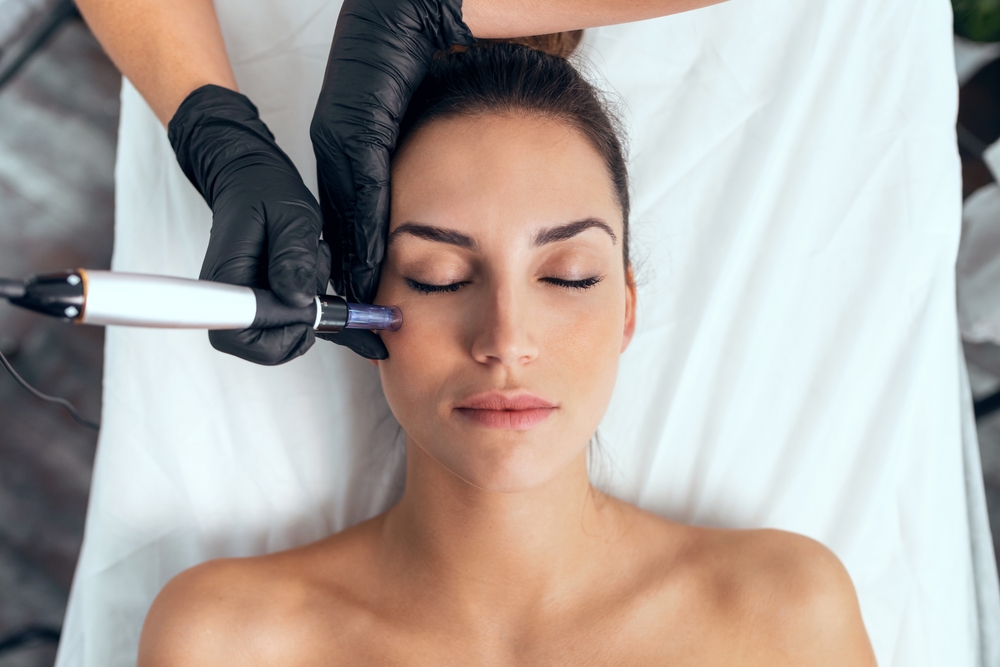
Microneedling is a cosmetic procedure designed to stimulate the body’s natural healing pathways that uses a specialized device equipped with ultra-fine needles to create tiny punctures across the targeted area. These tiny channels prompt the skin to produce new collagen and elastin fibers as it recovers. The newly generated tissue replaces older, damaged cells, resulting in a firmer and more resilient surface.
Can It Enhance a Skincare Routine?
Pairing microneedling with a consistent daily regimen may improve multiple aesthetic concerns. Because the procedure targets structural fibers beneath the skin, it helps fade cosmetic issues that topical creams alone can struggle to resolve. Patients frequently seek this treatment to reduce the appearance of fine lines and deep wrinkles, and to help tighten loose or sagging tissue.
Beyond age-related changes, the procedure smooths out textural irregularities. Individuals with acne scars or large pores may see noticeable refinements in their skin texture. Practitioners primarily treat the face, but the application extends to other areas of the body, such as the neck and hands, to maintain a uniform appearance. Some facilities even adapt the treatment for the scalp to support hair restoration efforts.
What Does the Process Involve?
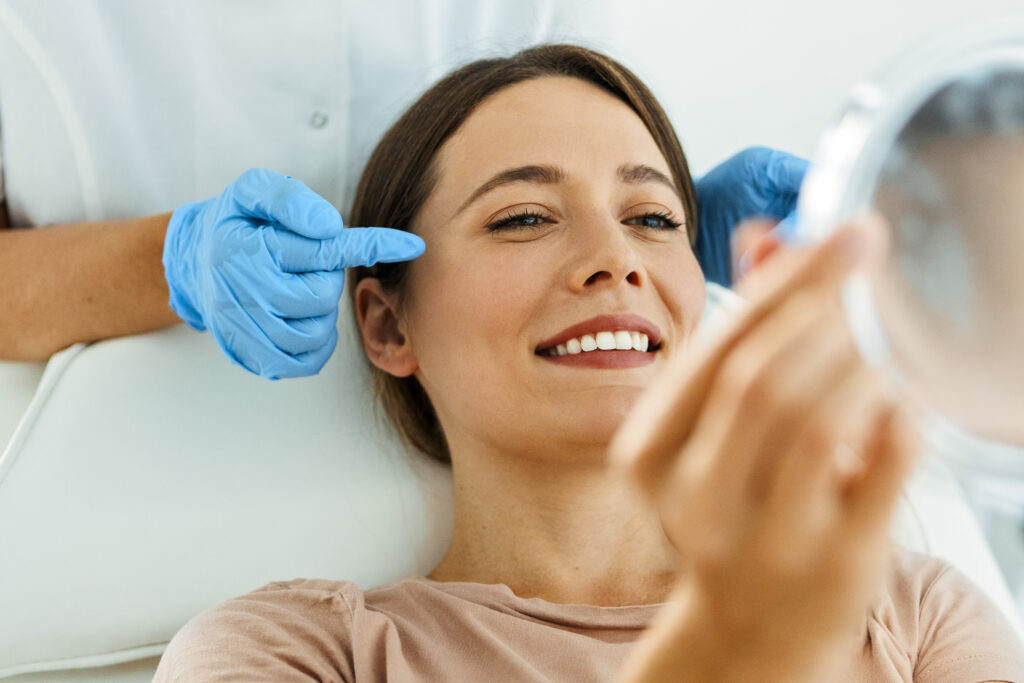
A typical session begins with a thorough evaluation. A practitioner evaluates your current skin condition and discusses your aesthetic goals. Once the plan is set, the provider cleanses the targeted area thoroughly. To maximize comfort during the procedure, they may apply a topical anesthetic to numb the surface.
The provider then glides the microneedling device across the skin. As the device creates tiny micro-wounds, some practitioners can apply specialized serums to the area. The skin barrier is temporarily open, so these nutrient-rich formulas penetrate deeply.
After the session concludes, patients normally experience mild redness and swelling. These effects may resemble a mild sunburn and typically dissipate within a few days. The underlying tissue takes time to rebuild. Visible results will typically develop gradually over the following weeks and months.
Confer With a Wellness Specialist
Integrating clinical procedures into your life requires careful planning and professional guidance. Because the micro-channels leave your skin temporarily vulnerable, diligent aftercare remains a strict requirement. Patients may need to apply broad-spectrum sunscreen daily and avoid direct sunlight exposure immediately following a session. Individuals tend to benefit from a series of sessions spaced several weeks apart. A licensed professional will customize this timeline based on your skin’s condition and aesthetic goals. A qualified practitioner can discuss your options and determine if this cosmetic strategy aligns with your unique profile.
- Finding Your Dream Home in St. Paul, Minnesota: A Comprehensive Guide
- How Does Blockchain Technology Work Step by Step? (Simple Guide)
- Purchasing a Home in Danville, California: A Comprehensive Guide
- Streamlining Commercial Construction Projects with Modern Technology
- Transforming Your Bathroom: The Benefits of Converting a Tub to a Walk-In Shower