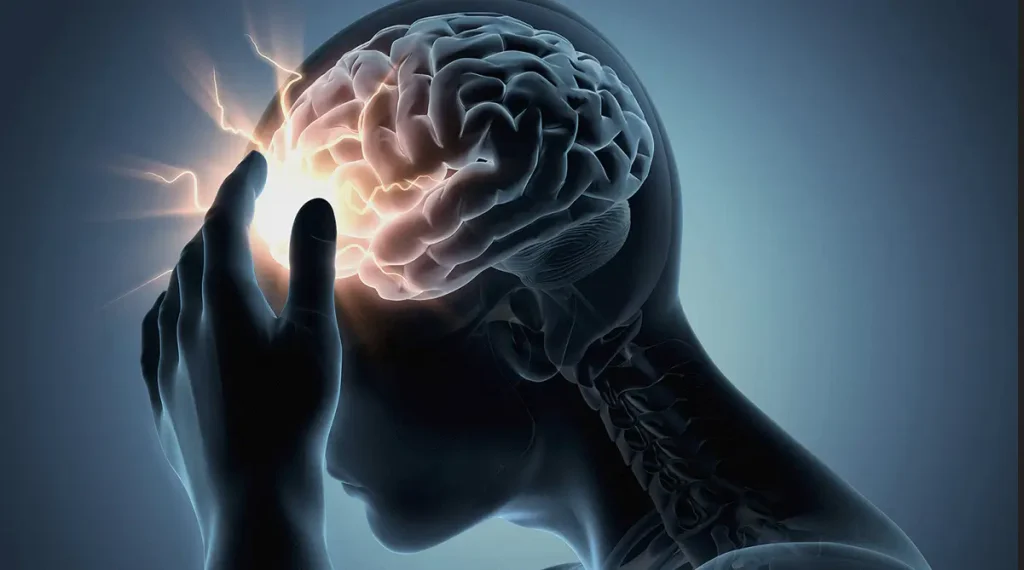
Headaches represent a frequent experience for many individuals. They manifest as pain or discomfort in the head, scalp, or neck region. Various factors trigger these episodes, which range from environmental changes to dietary habits. Stress consistently ranks among the most frequent catalysts for head pain. When individuals face persistent physical or psychological demands, their bodies react in ways that frequently result in discomfort. Understanding the relationship between these demands and physiological responses provides clarity for those seeking relief.
What Types of Headaches Exist?
Medical professionals categorize headaches into primary and secondary classifications. Primary headaches originate independently and do not result from another underlying medical condition. Tension headaches stand as the most prevalent primary type. Individuals often describe them as a tight band wrapped around the head, causing mild to moderate pain. Migraines represent another widespread primary category. They typically produce severe, throbbing pain, often localized to one side of the head, and frequently accompany symptoms like nausea or sensitivity to light and sound.
Secondary headaches develop as symptoms of an external underlying issue. Sinus headaches arise from inflammation or infection within the sinus cavities, presenting as pressure in the forehead and cheekbones. Identifying the correct classification forms the foundation of proper management and facilitates intervention that alleviates symptoms.
How Does Stress Impact Them?
Psychological and emotional strain exerts a profound influence on the human body. During stressful periods, muscle tension can directly follow. Individuals facing high-stress levels may tighten their jaw, neck, and shoulder muscles without conscious awareness, which frequently triggers tension-type head pain.
Stress can also disrupt natural sleep patterns. Restless nights and insufficient sleep may leave the body fatigued, potentially lowering the pain threshold and increasing susceptibility to painful episodes. Changes in eating habits, such as skipping meals, compound the issue for migraines. Through these combined physiological pathways, psychological pressure transforms directly into physical discomfort.
How Are They Treated?
Management strategies focus on addressing both the immediate pain and the underlying triggers. Over-the-counter pain relievers may provide relief, typically for mild to moderate episodes. Preventative approaches focus heavily on lifestyle modifications. Routine physical activity can help regulate the body’s hormonal balance and reduce overall physical tension. Practices like meditation and deep breathing exercises directly counteract the physiological arousal caused by stress.
Adequate hydration and consistent meal schedules stabilize the body’s baseline requirements. Maintaining a regular sleep schedule and aiming for uninterrupted rest each night restores energy reserves and raises pain tolerance. Physical therapies, including massage, may alleviate the cervical and shoulder tightness associated with stress-induced episodes.
Consult With a Medical Expert
While many individuals manage head pain independently, specific scenarios require professional evaluation. Patients should seek immediate medical evaluation if they experience a sudden, severely painful episode. Pain accompanied by neurological symptoms, including vision loss, numbness, difficulty speaking, or a high fever, requires urgent attention. A medical provider evaluates these patterns, reviews detailed family histories, and formulates customized treatment protocols. Partnering with a healthcare professional provides a structured, safe pathway to understanding the cause of headache episodes and managing persistent attacks.
- Small Mental Wellness Habits for Albuquerque’s Everyday Life
- Finding Your Dream Home in St. Paul, Minnesota: A Comprehensive Guide
- How Does Blockchain Technology Work Step by Step? (Simple Guide)
- Purchasing a Home in Danville, California: A Comprehensive Guide
- Streamlining Commercial Construction Projects with Modern Technology