Aging athletes experience new physical challenges. They seek ways to stay mobile and healthy, but their bodies often require more careful attention with age. When joint wear develops, some individuals seek guidance from sports medicine professionals.
Pain Management for Joint Wear
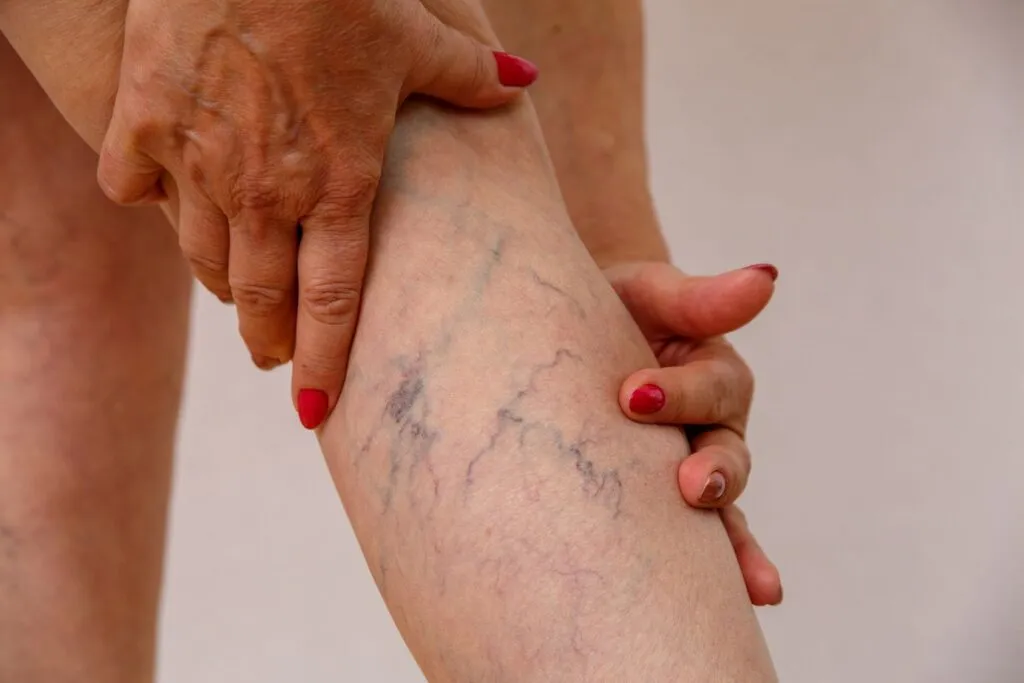
Arthritis often contributes to knee pain. This pain may be ongoing, or it will worsen with activity, making movement and motivation harder. Sports medicine treatments help address symptoms, and specialists monitor joint health through regular visits. Sports medicine doctors sometimes recommend low-impact exercise, strength training, or bracing to reduce joint pressure and ease movement. If an athlete has chronic pain, doctors evaluate the extent of the damage. When conservative options do not provide enough relief, pain management includes additional approaches tailored to the athlete’s needs.
Physical therapy introduces exercises designed to strengthen nearby muscles, and it supports joint stability over time. Some athletes discuss radiofrequency ablation with doctors, a technique for nerve-related pain when other treatments fail. Experts review activities with each individual, offering guidance on safe participation and necessary modifications. Close follow-up lets doctors tailor care and monitor for new concerns as they arise. Coordination among athletes, medical professionals, and caregivers helps clarify the treatment process and expectations. Candid conversations about needs and preferences guide safe activity choices. You might get a new daily routine.
Platelet Therapies for Tissue Repair
Platelet-rich plasma is an option that targets specific tissues. The procedure uses concentrated blood components, and sports medicine specialists inject them into the selected area. Because tendons can heal slowly, PRP delivers nutrients that support a natural healing process. PRP sometimes treats sports injuries such as strains or sprains in aging athletes. Before starting PRP, your cell treatment may be further activated. The doctor gathers a medical history, checks for underlying conditions, and reviews current activity levels. Some aging athletes choose PRP for its minimally invasive nature. Procedures are performed on an outpatient basis, and athletes often return home shortly after the injection. Recovery time varies from person to person. Some athletes take several weeks to notice changes in joint function or pain.
Health Care for Active Aging
In some cases, regenerative medicine is used to support cellular repair processes. These therapies are used for conditions such as tissue tears or chronic bursitis. Doctors sometimes recommend nutrient infusion therapy, which delivers vitamins and minerals to support recovery and energy. Practitioners select therapy based on the individual’s condition, health history, and activity goals. Rest remains part of recovery, and some individuals explore natural therapies when rest alone does not provide relief. Regenerative medicine options are discussed with providers on a case-by-case basis, and results depend on the individual’s response. Regular monitoring helps doctors track progress, adjust therapies, and identify any concerns early. Because bodies respond differently with age, a care plan can include a mix of rest, physical activity, and new treatment options based on individual needs.
Schedule a Sports Medicine Consultation
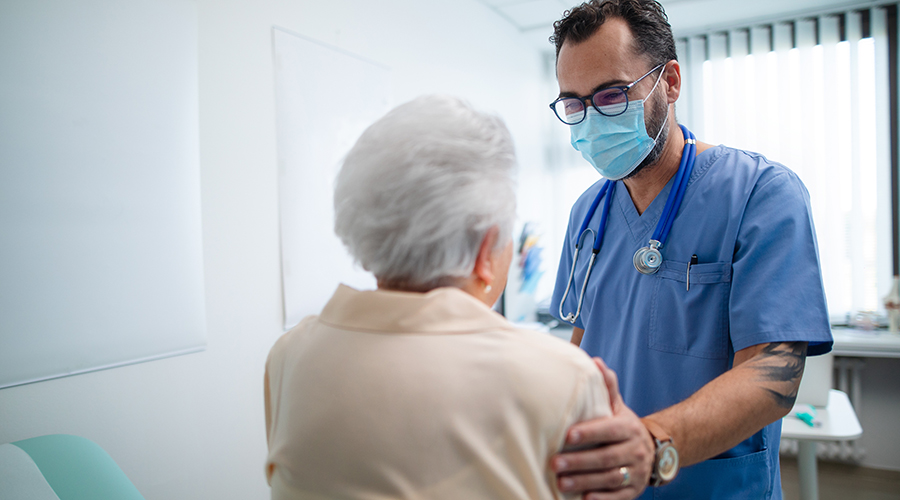
Expert guidance helps athletes pursue continued physical activity safely. Supporting their health involves learning about available treatment options and working with a specialist to make informed choices. If minor injuries develop, research local providers and arrange an initial medical evaluation. Proper evaluation guides effective care plans. Early attention addresses issues before they progress, and regular monitoring supports informed decisions. Because mobility affects daily function, seeking professional input is a practical next step, and you can help begin this process.
- Finding Your Dream Home in St. Paul, Minnesota: A Comprehensive Guide
- How Does Blockchain Technology Work Step by Step? (Simple Guide)
- Purchasing a Home in Danville, California: A Comprehensive Guide
- Streamlining Commercial Construction Projects with Modern Technology
- Transforming Your Bathroom: The Benefits of Converting a Tub to a Walk-In Shower