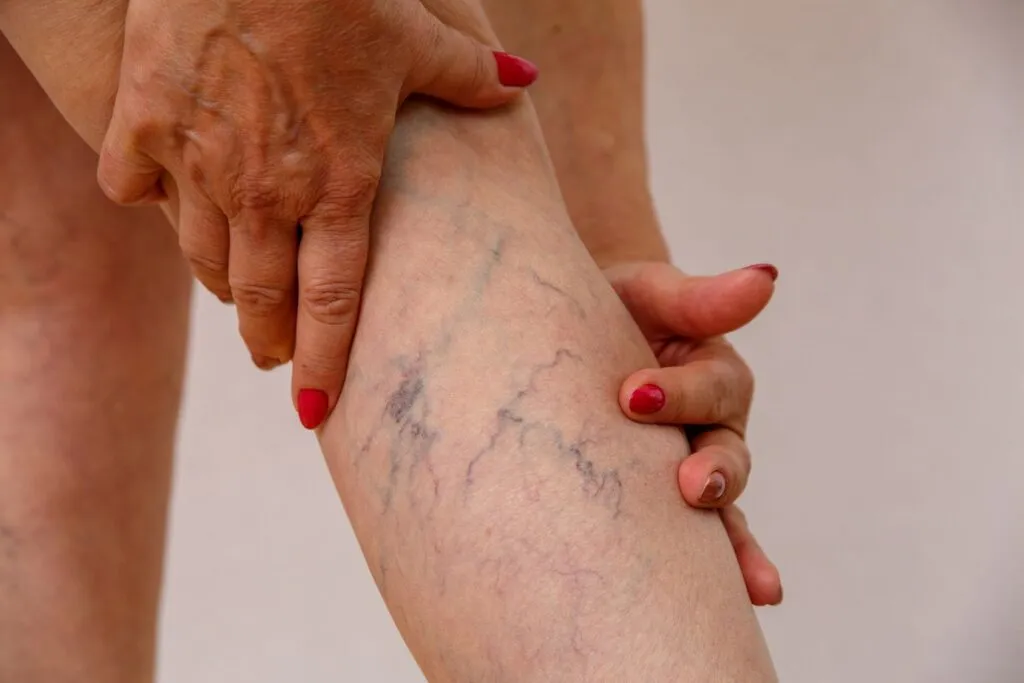
A foot specialist plays a key role in maintaining the health, comfort, and function of the feet. Because the feet support the body’s weight and endure daily pressure from walking, standing, and physical activity, proper care is necessary for preventing discomfort and long-term issues. A foot specialist can provide valuable guidance on maintaining foot health through simple, effective daily habits.
1. Choose Proper Footwear
Your choice of footwear is key to your foot health because shoes that are too tight, flat, or worn can stress your feet. A foot specialist will advise choosing shoes with solid arch support. They should also have a wide toe box and adequate cushioning to support the activity you’re doing.
You don’t need to give up on style, as many supportive shoes now come in a variety of designs. This makes it easy to find a pair that suits you. Remember to replace shoes when the soles are worn, as worn soles lose their ability to absorb impact, causing strain. A foot and ankle specialist might also recommend custom orthotics if standard shoes don’t offer enough support.
2. Maintain Good Foot Hygiene
Clean, well-maintained feet are far less prone to infections, odor, and discomfort. A podiatrist will emphasize the importance of washing your feet thoroughly every day with soap and water, including between the toes. After washing, dry your feet completely because moisture trapped between the toes creates an environment where fungal infections can develop.
Trim your toenails straight across, not in a curved shape. This helps prevent ingrown toenails, which can be very painful. Moisturize your soles and heels regularly to keep the skin supple and prevent cracking, but avoid putting lotion between your toes. Excess moisture there can cause problems.
3. Stretch and Strengthen Your Feet
You probably stretch your hamstrings or shoulders before exercise, but what about your feet? The muscles in your feet also need regular movement to stay flexible and strong. For instance, tight calves can contribute to plantar fasciitis. This condition is a common source of heel pain.
Simple exercises can make a big difference. Try rolling a tennis ball under your foot for a few minutes each morning, and you can also practice toe curls by picking up small objects. Calf raises and ankle circles also improve foot and ankle stability because consistent movement keeps your feet balanced and less prone to strain.
4. Pay Attention to Early Signs
Foot problems often start quietly; you might notice a persistent ache or mild swelling. A small change in how you walk is sometimes a sign. Ignoring these signs can lead to bigger issues, but catching them early makes treatment much simpler. A foot specialist can help you address problems sooner.
Pay attention to common warning signs, including redness around your joints. Watch for unusual skin changes or discoloration. Numbness, tingling, or pain after rest are also key signs. These are your body’s signals that something is wrong, and consulting a podiatrist is the next wise step.
5. Rest and Protect Your Feet
Rest is a key part of recovery, and your feet are no exception. After a long day, elevate your feet for 15 to 20 minutes. This helps reduce swelling and improve circulation. Placing your feet above heart level is a simple technique many foot doctors recommend.
Protecting your feet in public spaces is equally necessary. Wear sandals in communal showers, locker rooms, and pool areas to lower your risk of plantar warts or athlete’s foot. At home, wear supportive slippers instead of walking barefoot. This reduces strain on your heels and arches.
Schedule a Foot Specialist Appointment
Caring for your feet is a straightforward practice that pays off in comfort, mobility, and overall well-being. Choosing the right footwear, maintaining good hygiene, staying active, recognizing early warning signs, and giving your feet adequate rest are all habits worth building into your daily routine. That said, self-care has its limits. If you’re dealing with persistent pain, recurring issues, or symptoms that don’t improve, seek professional guidance. Consult an experienced podiatrist near you by booking an appointment, getting examined, and receiving personalized treatment for your unique needs.
- Small Mental Wellness Habits for Albuquerque’s Everyday Life
- Finding Your Dream Home in St. Paul, Minnesota: A Comprehensive Guide
- How Does Blockchain Technology Work Step by Step? (Simple Guide)
- Purchasing a Home in Danville, California: A Comprehensive Guide
- Streamlining Commercial Construction Projects with Modern Technology