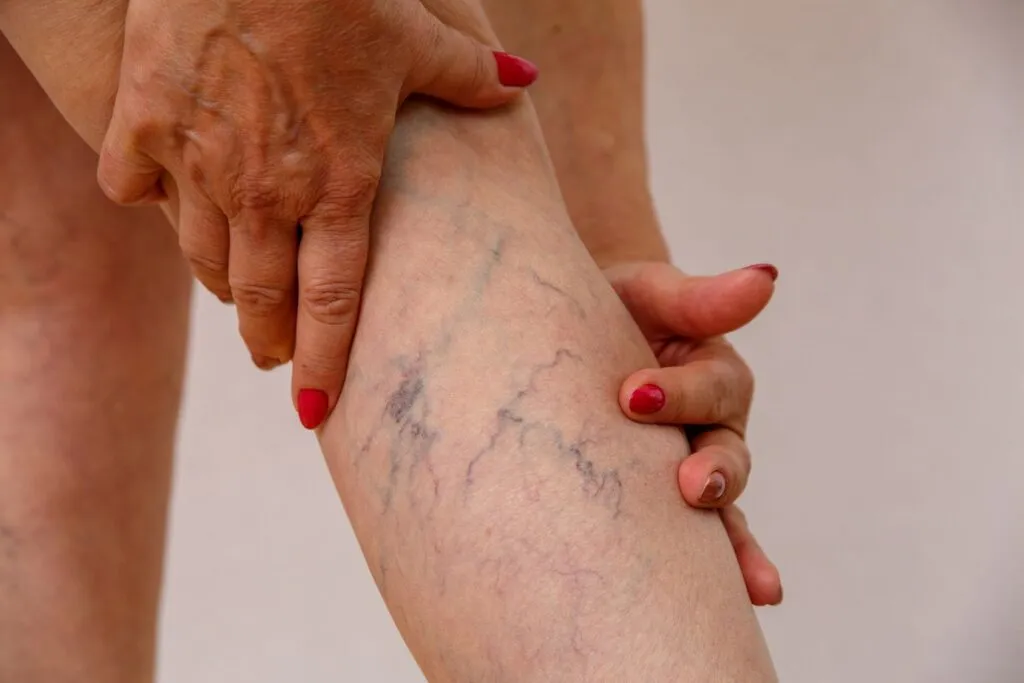
Urgent care centers provide a practical solution for patients who need prompt medical attention outside of regular office hours. These facilities offer accessible, professional treatment without the long wait times typically associated with hospital emergency departments, and understanding what urgent care offers helps patients make informed decisions about where to seek treatment. Here is more information on these facilities, the services they offer, the conditions they treat, and the benefits of professional care:
What Is Urgent Care?
Urgent care is a walk-in medical facility designed to treat non-life-threatening conditions that require same-day attention. These centers are staffed by licensed medical professionals, and they may operate beyond standard business hours, including weekends. Patients do not need an appointment, allowing those who need care to receive it quickly.
What Are the Available Services?
These centers are equipped to handle a broad range of medical needs, and they offer both diagnostic and treatment services. Standard services include physical exams, lab testing, X-rays, wound care, and prescription services. Calling a clinic helps determine what services they offer and the ailments they treat.
What Common Ailments Are Treated?
Urgent care centers may treat respiratory infections, urinary tract infections, and seasonal allergies, as these conditions require prompt care. Providers may also address skin conditions such as rashes, minor burns, and infections. Sprains, strains, minor fractures, and eye or ear infections are additional conditions treated at these facilities. Patients experiencing flu symptoms, sore throats, or sinus infections can receive a diagnosis and treatment plan during their visit.
What Does a Visit Involve?
A visit typically begins with registration, during which patients provide their personal information and a description of their symptoms. A medical professional then records vital signs and a brief medical history before the provider conducts an examination. Depending on the findings, the provider may order lab work or imaging to support the diagnosis.
Once results are reviewed, the provider discusses a treatment plan with the patient. Treatment may include a prescription, wound care, or a referral to a specialist. Some visits are completed quickly, and patients may receive recommendations for effectively managing their condition.
How Is Professional Care Beneficial?
Receiving care from a licensed medical professional leads to diagnoses and appropriate treatment plans, reducing the risk of complications from untreated or improperly managed conditions. Healthcare professionals follow evidence-based protocols, and patients benefit from access to diagnostic tools unavailable through self-care alone. This level of care supports faster recovery and helps reduce the likelihood of the condition progressing.
Professional care may also provide documentation of the visit; this contributes to a patient’s overall medical record and supports continuity of care. When a condition requires follow-up or specialist involvement, a healthcare provider can coordinate the next steps. This helps patients receive the appropriate level of care without unnecessary delays.
Find Quick Relief Today
Urgent care centers offer accessible, professional treatment for a wide range of non-emergency conditions, and a straightforward visit process makes receiving care efficient. From respiratory infections to minor injuries, these facilities diagnose and treat common ailments. Find an urgent care center near you to receive professional care.
- Small Mental Wellness Habits for Albuquerque’s Everyday Life
- Finding Your Dream Home in St. Paul, Minnesota: A Comprehensive Guide
- How Does Blockchain Technology Work Step by Step? (Simple Guide)
- Purchasing a Home in Danville, California: A Comprehensive Guide
- Streamlining Commercial Construction Projects with Modern Technology