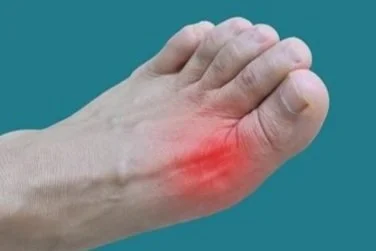
Taking care of your circulatory system includes paying attention to your veins, and daily habits influence your body’s ability to move blood efficiently. As you navigate your daily routines, understanding how certain lifestyle choices affect vein function can help support your overall wellness. Simple adjustments to what you eat and how you move can make a difference in your circulatory health. This is how to support vein care through lifestyle changes:
Fiber-rich Foods
Incorporating fiber-rich foods into your diet promotes regularity and supports vein health. Straining during bowel movements increases pressure in your abdomen, which can affect the veins in your lower body. You can add more fiber to your meals with simple swaps.
A diet high in fiber supports digestive health and, in turn, helps your veins. Many foods naturally contain fiber, which can be beneficial. You might find it helpful to focus on adding items from this list to your grocery cart:
- Fruits like apples and berries
- Vegetables such as broccoli and carrots
- Grains, including oats and brown rice
- Legumes like beans and lentils
Cardiovascular Exercise
Engaging in regular cardiovascular exercise helps maintain blood flow throughout your body. These activities strengthen your heart, and a strong heart pumps blood more effectively. While providing benefits for your circulation, low-impact exercises like walking or swimming are gentle on your joints and support vein care.
Consistent movement also engages your calf muscles, and these play a part in pushing blood upward from your legs toward your heart. When you walk, bike, or stretch, you are helping this natural process. Aim for around 30 minutes of moderate activity most days of the week, a routine that supports your veins and overall health.
This regular physical activity also assists in managing a healthy weight. Maintaining a healthy weight lessens the pressure on the veins in your lower body. Less strain on your veins allows them to function more smoothly, which is a positive outcome for your long-term circulatory wellness.
Reduced Salt
Managing your salt intake is another practical step for vein support. Consuming high levels of sodium may cause your body to retain water, which can lead to swelling and increased blood pressure. This excess fluid places more strain on your veins. Many processed and packaged foods contain high amounts of sodium, so reading labels is a useful habit.
Choosing fresh, whole foods over pre-packaged options allows you to control how much salt is in your meals. To do this, you can flavor your food with herbs and spices instead of relying on salt alone. This simple adjustment supports your body’s fluid balance, and it makes your circulatory system’s job a little easier.
Proper Hydration
Staying hydrated is fundamental for your blood’s consistency and flow. When you are properly hydrated, your blood is thinner and moves more freely through your veins. Your body needs water for numerous functions, and circulation is one of them. Dehydration may cause your blood to thicken, making it more difficult for your heart to pump.
Find Vein Care Near You
Lifestyle choices involving diet and exercise form a strong foundation for supporting your circulatory health. Simple, consistent habits help your veins function as they should. If you have concerns about your vein health or are experiencing discomfort, seeking professional guidance is a good next step. Contact a local vein care provider today to schedule a consultation and learn more about how you can support your veins.
- Finding Your Dream Home in St. Paul, Minnesota: A Comprehensive Guide
- How Does Blockchain Technology Work Step by Step? (Simple Guide)
- Purchasing a Home in Danville, California: A Comprehensive Guide
- Streamlining Commercial Construction Projects with Modern Technology
- Transforming Your Bathroom: The Benefits of Converting a Tub to a Walk-In Shower