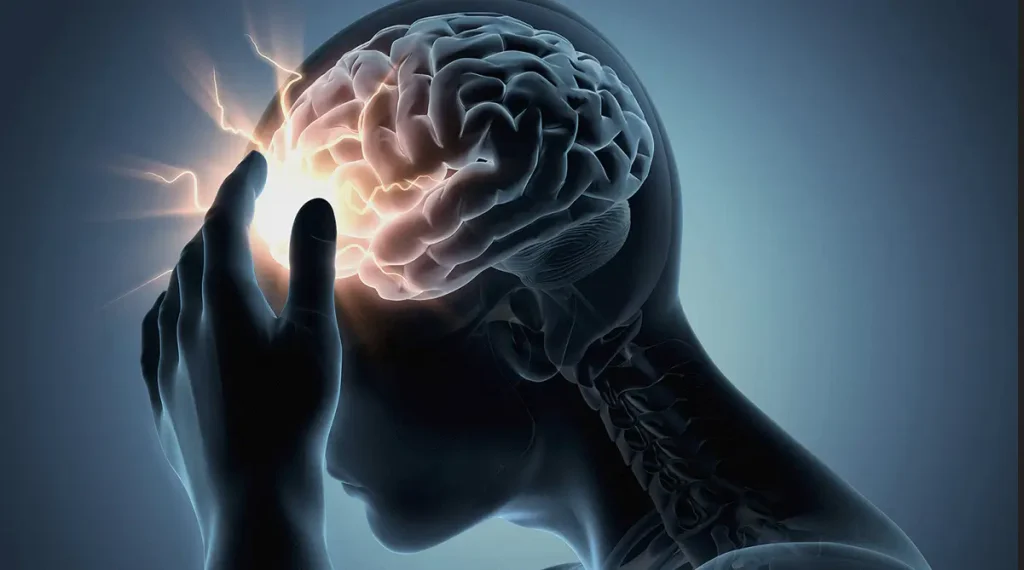
Anxiety is a common human emotion that involves feelings of tension, worried thoughts, and physical changes like increased blood pressure. While occasional anxiety is a normal part of life, persistent or overwhelming feelings may affect daily functioning. Learning management strategies can help individuals navigate these feelings in various situations.
What Is Anxiety?
Anxiety is the body’s natural response to stress; it is a feeling of fear or apprehension about what is to come. This response is not inherently negative, as it can alert us to dangers and help us prepare and pay attention. Anxiety disorders differ from these temporary feelings. They involve intense, excessive, and persistent worry and fear about everyday situations. These disorders may involve repeated episodes of sudden feelings of intense anxiety and fear or terror that reach a peak within minutes, known as panic attacks. These feelings may interfere with daily activities.
Physical symptoms often accompany anxiety, which can include a pounding heart, sweating, and shortness of breath. The body prepares to confront a perceived threat. When this response is triggered repeatedly, or without a genuine threat, it can be exhausting and disruptive.
How Can You Manage It?
Several non-medical strategies may be effective in managing anxiety. These techniques focus on lifestyle adjustments and mental practices to reduce the frequency and intensity of anxious feelings. Regular physical activity is a useful tool. Exercise may improve mood and serve as a natural way to relieve stress, reducing anxiety symptoms.
Mindfulness and meditation practices can train the mind to focus on the present moment without judgment. This may help individuals detach from worried thoughts, whether they are about the past or future. Simple, quiet reflection can help develop this skill over time.
How Is It Medically Treated?
When self-management techniques are not sufficient, medical treatments are available. A healthcare professional can determine the most suitable course of action based on an individual’s specific symptoms and circumstances. Treatment often involves psychotherapy, medication, or a combination of both.
Cognitive behavioral therapy (CBT) is a widely used form of psychotherapy for anxiety. CBT helps people identify and challenge negative thought patterns and behaviors that contribute to their anxiety. Through this process, individuals learn new ways of thinking and develop coping skills to handle challenging situations more effectively.
Medication may also be used to manage symptoms. Several types of medications are prescribed for anxiety disorders, including certain antidepressants. These medications work by balancing chemicals in the brain that regulate mood and stress. A medical doctor or psychiatrist may prescribe and monitor these treatments to find the right medication and dosage.
Seek Professional Wellness Care
Managing anxiety is a process that can involve a combination of self-care, lifestyle changes, and professional support. While the strategies outlined here may offer relief, persistent or severe anxiety often requires a personalized treatment plan. A healthcare provider can offer a comprehensive assessment and guide you toward the most appropriate resources. They may help create a structured approach that addresses your specific needs, leading to improved well-being and a better quality of life.
- Finding Your Dream Home in St. Paul, Minnesota: A Comprehensive Guide
- How Does Blockchain Technology Work Step by Step? (Simple Guide)
- Purchasing a Home in Danville, California: A Comprehensive Guide
- Streamlining Commercial Construction Projects with Modern Technology
- Transforming Your Bathroom: The Benefits of Converting a Tub to a Walk-In Shower