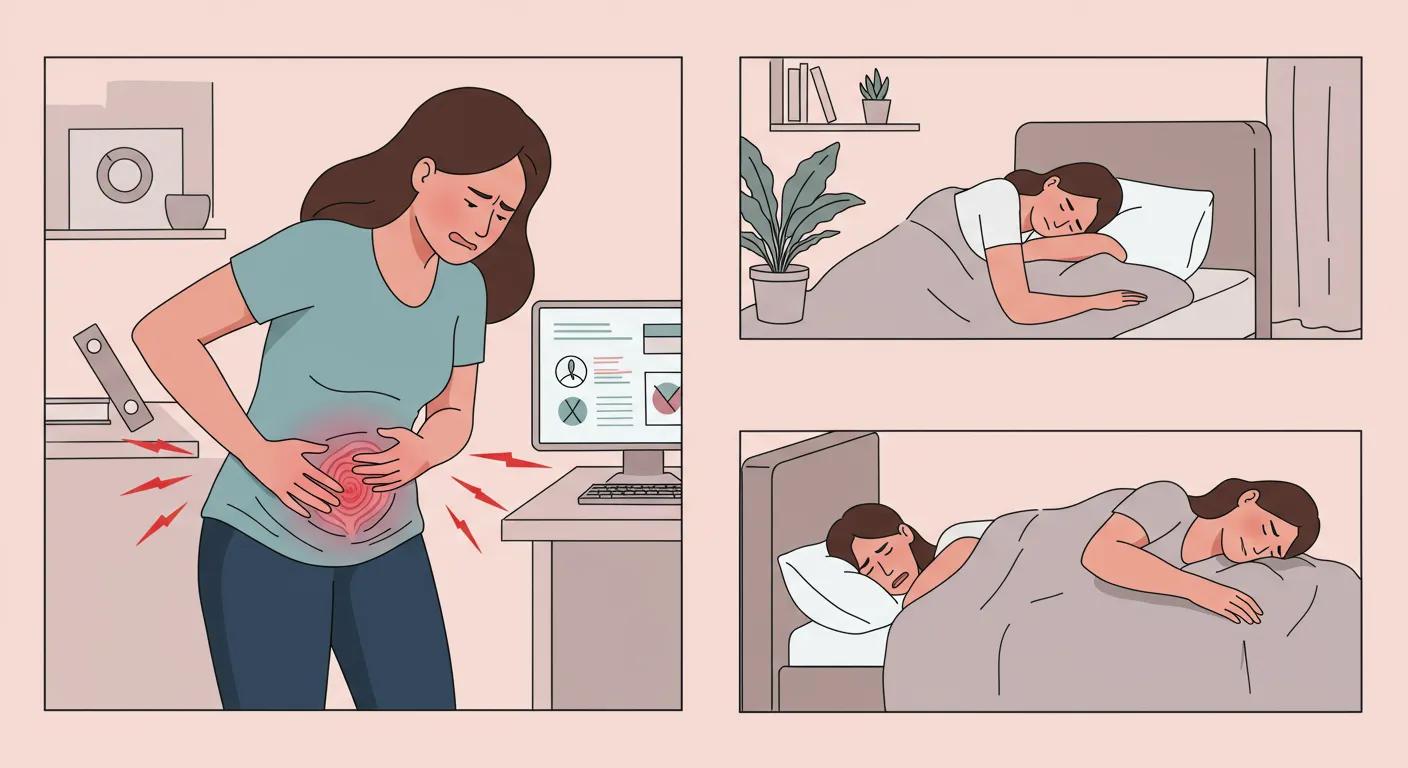
Hip pain is a common issue that can affect your ability to walk, sit, and sleep comfortably; it typically originates from the joint itself or the surrounding muscles, ligaments, and tendons due to regular wear, repetitive strain, or minor injuries. Managing this discomfort often involves a careful combination of supportive home practices, professional medical guidance, and targeted movement strategies. Understanding your options is the first step toward addressing the issue and improving your daily mobility.
At-Home Care
When you first notice discomfort in your hip, modifying your daily routine can help prevent further irritation. At-home care focuses on simple, conservative adjustments designed to support your body while it rests.
Try these steps to manage discomfort at home:
- Rest and modify activities: Avoid movements that place direct stress on the hip joint, such as heavy lifting or high-impact exercises.
- Use temperature therapy: Apply ice to the affected area to reduce swelling, and use heat therapy to relax stiff muscles.
- Adjust your sleep position: Sleeping on your back or placing a pillow between your knees can help align your hips and reduce pressure on your hips at night.
- Wear supportive footwear: Choose shoes with proper arch support and cushioning to minimize joint impact as you walk.
Taking these initial steps can provide a supportive environment for your body, but if your hip pain continues, it is time to look beyond home management.
Professional Help
When hip pain does not improve with at-home care, seeking professional help is recommended. Medical providers can offer a thorough evaluation, and they will discuss a range of options to ease discomfort and support your daily activities. Prescription medications are sometimes recommended to help manage pain and inflammation. These may include nonsteroidal anti-inflammatory drugs (NSAIDs), muscle relaxants, or other medications based on your specific needs and your health history. Some individuals may benefit from targeted injections, such as corticosteroids, which are used to address more persistent symptoms.
In certain cases, referrals to orthopedic specialists may be appropriate to further evaluate possible treatment options. Speak with a qualified provider before starting any prescription or medical intervention. Your healthcare team will guide you through the available options and help you choose the most appropriate plan for your situation. Minor discomfort often resolves on its own, but persistent pain requires a thorough evaluation from a medical professional. If your hip pain lasts for several weeks, wakes you up at night, or limits your ability to perform daily tasks, scheduling an appointment with a healthcare provider is advisable.
Physical Therapy
Movement plays a significant role in joint health. A doctor will frequently recommend physical therapy as a cornerstone of a comprehensive management plan. Physical therapists are trained to assess your movement patterns and identify areas of weakness or stiffness surrounding the hip. During physical therapy, you will learn techniques to support the joint. Physical therapists design specific exercise routines for your needs, so you can gradually rebuild your strength without causing further irritation.
A standard physical therapy program typically focuses on strengthening exercises designed to build the muscles in your core, glutes, and thighs, which help support the hip joint. Flexibility training is included to stretch tight muscles and improve your overall range of motion; gait analysis is also performed to correct how you walk and reduce unnecessary stress on one side of your body. Consistent participation in these structured exercises can help maintain joint function over time.
Ask About Hip Pain Today
Gathering accurate information and building a trusted healthcare team are key to managing hip pain. If you are experiencing ongoing issues, reach out to a healthcare provider to discuss your symptoms. Ask your doctor any questions about your condition, and inquire about which management strategies align with your daily life. Taking action today can help you promote hip wellness.