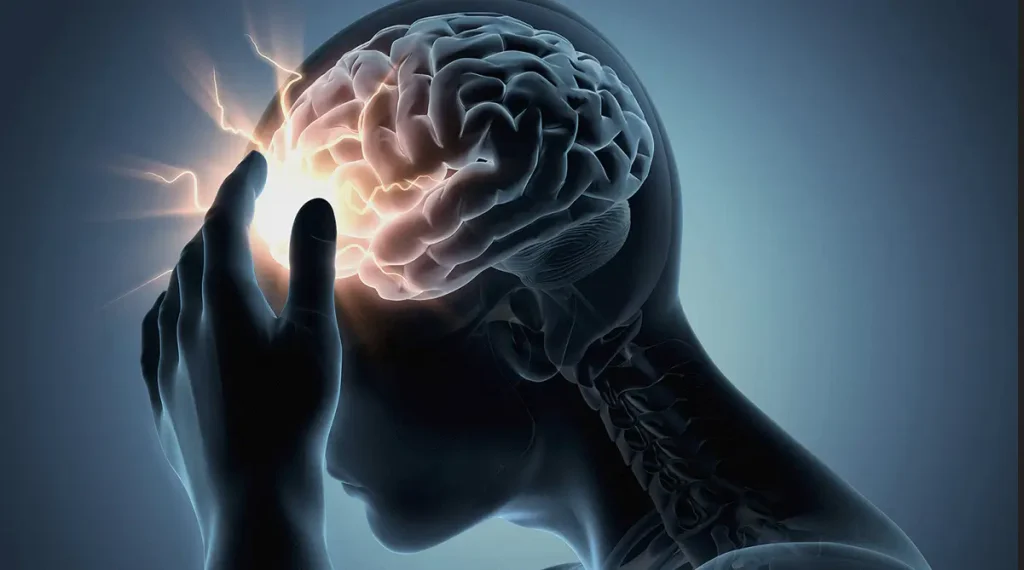
A psychiatrist is a medical doctor who diagnoses and treats mental health conditions through clinical evaluation, therapy, and, when appropriate, medication management. Psychiatry is a broad field with multiple subspecialties, and different psychiatrists focus on specific age groups, conditions, or treatment settings. Here is an overview of the different types of psychiatrists and their specialties:
Core Psychiatrist Roles
The common type of mental health doctor is a general psychiatrist. These professionals diagnose and treat a wide range of mental health conditions in adults. They manage issues such as depression, anxiety, bipolar disorder, and other common psychiatric ailments through a combination of medication and therapy. General psychiatrists are excellent entry points for individuals who are unsure of their specific diagnosis or needs.
A psychiatric specialist pursues further training to gain expertise in a niche area of mental health. These doctors often complete a fellowship after their residency to master the nuances of specific populations or disorders. While a general psychiatrist offers comprehensive care, a specialist provides targeted interventions for complex or treatment-resistant cases. Choosing between the two depends largely on the severity and nature of the symptoms present.
Age-Based Specialties
Mental health needs change significantly across life stages, prompting many doctors to specialize by patient age. Child and adolescent psychiatrists focus on the developmental, emotional, and behavioral health of young people, typically up to age 18. They are trained to differentiate between normal developmental milestones and signs of mental illness, which can present differently in children than in adults.
Geriatric Psychiatrists specialize in the mental health of older adults, usually individuals over the age of 65. They address the psychological and biological aspects of aging, including how mental health interacts with chronic physical conditions. Their expertise is key when treating dementia, Alzheimer’s disease, and late-life depression or anxiety.
Condition-Based Specialties
Some psychiatric specialists narrow their focus further to treat specific categories of mental illness or complex conditions. Here are some of them:
- Addiction Psychiatrists: These doctors specialize in the diagnosis and treatment of substance use disorders and co-occurring mental health conditions.
- Forensic Psychiatrists: These psychiatrists evaluate individuals to determine competency to stand trial or to provide expert testimony in court cases.
- Neuropsychiatrists: These specialists treat mental disorders that are directly related to brain injuries or nervous system diseases; they treat conditions such as traumatic brain injury or seizures that have behavioral symptoms.
Identifying a specialist with deep experience in a specific condition is helpful when standard treatments have not provided relief.
Treatment-Style Specialties
Beyond who and what they treat, psychiatrists also differ in how they approach healing. Some doctors strictly adhere to the medical model, focusing primarily on psychopharmacology, which is the use of medication to correct chemical imbalances in the brain. This style is efficient for patients who have stabilized through therapy and primarily need maintenance for their biological symptoms.
Other psychiatrists incorporate psychotherapy directly into their practice. These doctors believe that understanding the psychological root of a problem is just as key as managing the biological symptoms. They offer longer sessions that combine medication management with therapeutic techniques like Cognitive Behavioral Therapy (CBT) or psychoanalysis.
There is the growing field of integrative or holistic psychiatry. An integrative psychiatrist combines traditional medical treatments with holistic modalities. Treatment plans may include lifestyle modifications, nutritional advice, and mind-body therapy alongside standard prescription medications.
Schedule Your Psychiatrist Consultation Today
Finding the right mental health doctor requires careful thought. Understanding the distinctions among generalists, specialists, and integrative doctors for holistic care helps you make informed decisions about your mental health needs. A psychiatric specialist provides targeted tools to support mental wellness and improve your well-being. Contact a qualified psychiatrist near you to schedule your consultation today.