Hair restoration services address hair thinning and loss by relocating active hair follicles to areas where hair is needed. One approach is a body hair transplant, which involves extracting healthy hair follicles and implanting them into various facial or body areas. Body hair transplants are sometimes used for scalp treatments, but only if other scalp follicles cannot be harvested effectively. Here is information on body hair transplant procedures, focusing on what to expect during recovery:
During a Body Transplant
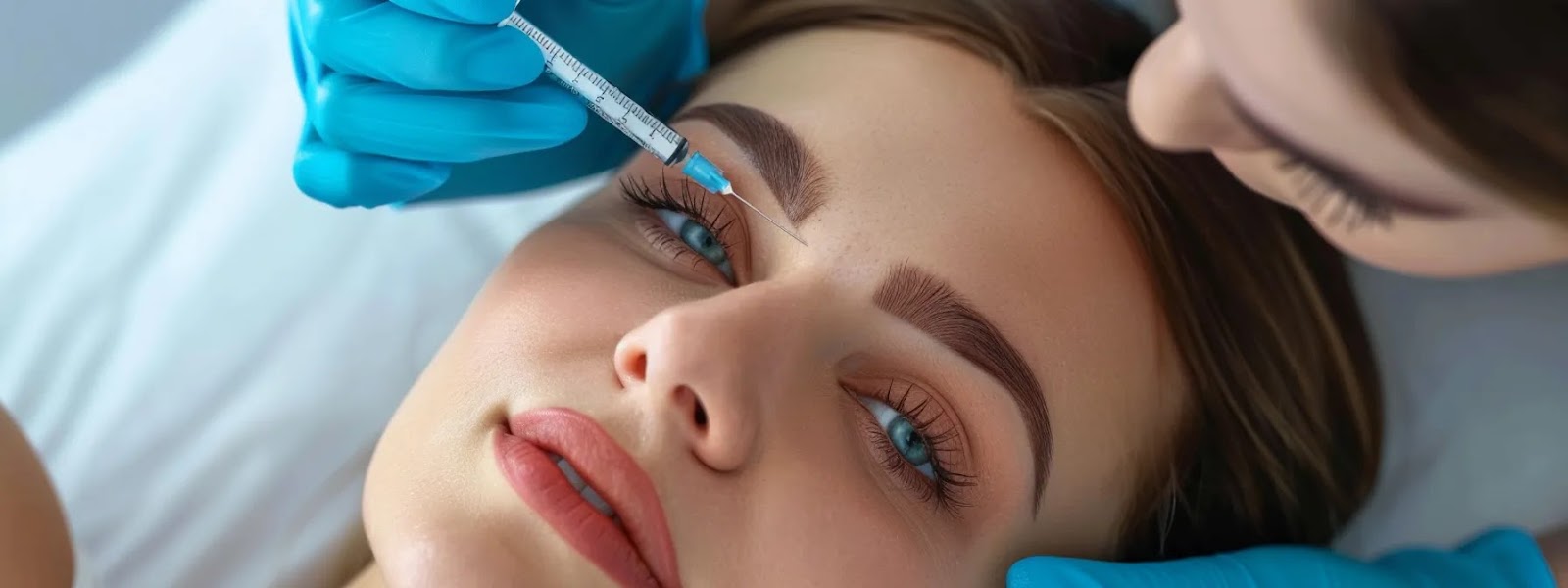
During a body hair transplant, practitioners use a specialized extraction technique to remove individual follicles from the donor site. The hair restoration specialist will use local anesthesia for comfort. They then create tiny recipient sites on the face, eyebrows, or body and place the extracted follicles into them. The procedure takes several hours, depending on the number of grafts required.
You can receive a transplant at dedicated hair restoration clinics or specialized surgery centers. A consultation with a specialist allows them to customize your treatment for your specific needs, offering precise, natural-looking results. During this initial meeting, the practitioner will evaluate your donor areas and discuss your aesthetic goals. Some areas that a body hair transplant can improve include:
- Eyelashes
- Eyebrows
- Chest
- Mustache
- Beard
During Follow-Up Appointments
Scheduled follow-up visits to the clinic are a key part of your care plan, as they verify your recovery stays on track. These appointments allow practitioners to monitor the donor and recipient sites, and they are a good time to ask questions. Your provider will assess the newly placed grafts and look for any signs of irritation or other complications.
During Recovery
Immediately following the procedure, the treated areas will be sensitive. You must keep the recipient and donor areas clean to protect the healing follicles. Practitioners will provide specific instructions on how to wash your body gently without dislodging the grafts. You should avoid strenuous physical exertion, heavy lifting, and direct sun exposure for the first few weeks.
Understanding the timeline for hair growth helps set accurate expectations. The transplanted hair typically sheds within the first month, but new growth will begin shortly after. This initial shedding phase is a normal part of the follicle’s life cycle. Thin, fine hairs usually start emerging between the third and fourth months. Over the next several months, the hair will continue to thicken and mature. You will generally see the final, matured results approximately a year after the transplant procedure.
Learn About More Hair Transplant Services
Hair restoration options are available to help you achieve fuller, healthier-looking hair. Navigating these services requires careful planning, proper care, and expert guidance. Body hair transplantation is a common option that can improve hair thickness. It is also an alternative for individuals who may lack sufficient donor hair on the back of their head. If you want to explore your options for addressing hair loss, reach out to a qualified clinic today. Contact a hair restoration specialist today, as they can determine which treatments are most effective for your needs.