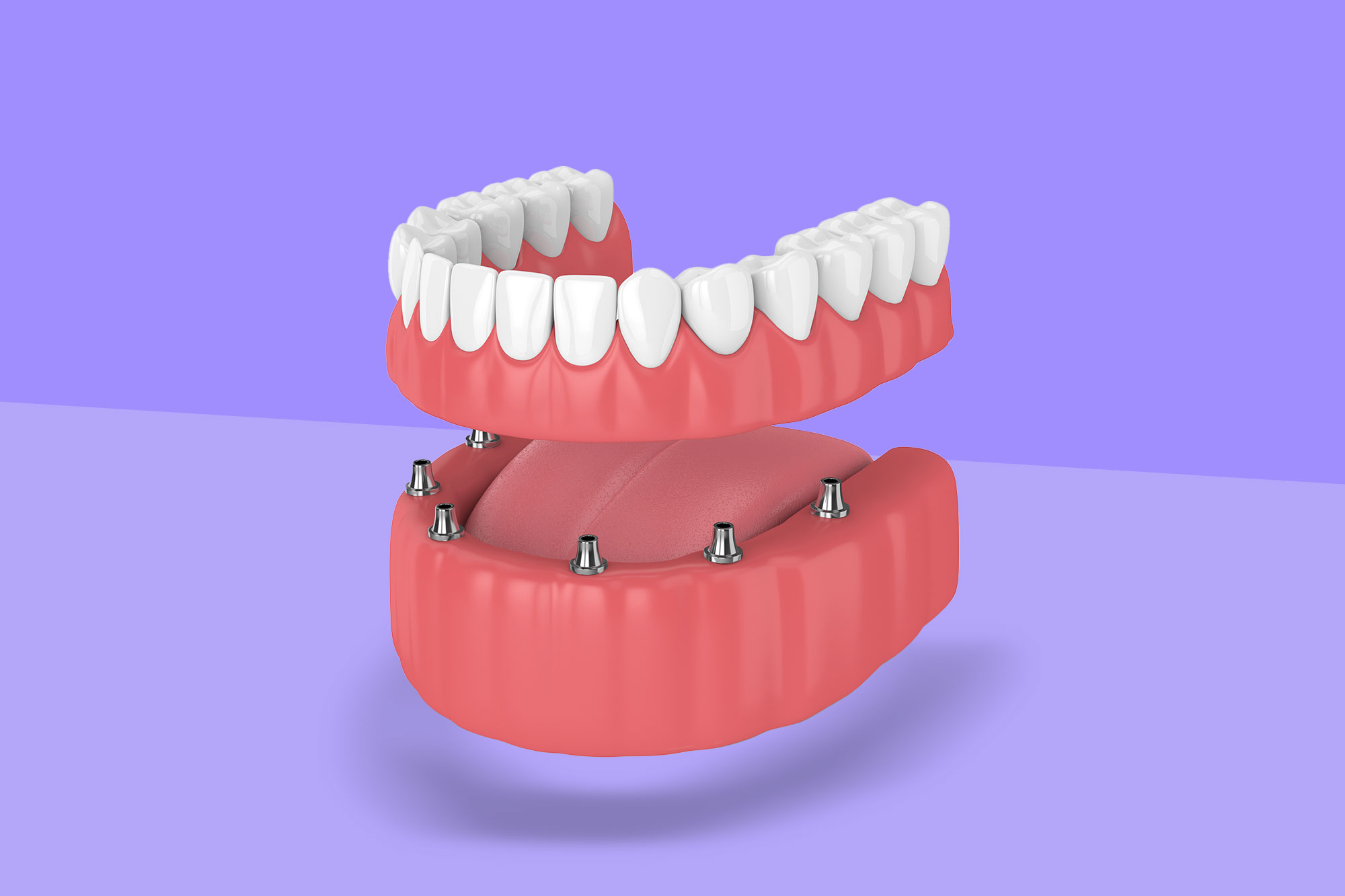
A replacement tooth requires a strong foundation to withstand chewing forces and daily use. With dental implants, a dentist places artificial roots into the jawbone, and they support a new crown. Patients may seek out this treatment because it restores normal chewing function and requires no special maintenance or hygiene tools. The process involves multiple appointments over time to place the entire implant.
Understanding Implant Parts
Dental implants consist of three components, and these are placed over time. The process begins with the post, then the abutment and crown are attached at a later date. The time it takes between appointments depends on many factors. In general it can take three to nine months for the bone to ossify around the post.
Here is a summary of the parts that make up a dental implant:
- Titanium post: acts as a secure root, and it fuses with the jawbone.
- Abutment: connects the metal post to the visible crown.
- Crown: looks like a natural tooth, and it provides a normal bite surface.
When a dentist assembles these parts, the new structure behaves like a real tooth. This sturdy dental appliance helps patients eat and speak normally.
Beginning Implant Treatment
The first stage in the process is typically a consultation and review of your medical history. They take X-rays, and they examine your jawbone to determine if you are a good candidate for implants. Because the bone must support the metal post, the dentist may recommend a bone graft if your jawbone density is not currently sufficient to support an implant.
Placing Dental Implants
The first surgical appointment begins with local anesthesia. The doctor makes a small incision in the gum tissue, and they drill a tiny hole into the bone. Since the bone lacks nerve endings and providers normally offer pain relief measures, this step causes minimal discomfort.
The dentist inserts the titanium post into the jawbone. After the gums are stitched closed, the healing phase begins immediately. Your body needs several months to fuse with the metal, and this results in a strong base for the abutment and crown.
Finishing Implant Procedure
You will return to the clinic after the bone heals. The dentist attaches the abutment to the metal post, and they take impressions of your mouth. These impressions guide the crown fabrication. Once the crown is fabricated, the dentist fits the crown onto the abutment and post.
Crowns provide the following benefits:
- Mimic and match the look of your natural teeth
- Withstand biting and chewing forces well
- Made from durable materials like porcelain, ceramic, or metal
Dental implants function like natural teeth, and they require no special tools for maintenance or hygiene practices. Your dentist can check on the status of your implant at your regularly scheduled cleanings.
Learn More About Dental Implants
Dental implant surgery offers a permanent solution for missing teeth. The treatment involves a careful consultation, a surgical placement, and a final restoration phase. The metal post fuses with the bone, and the custom crown provides a natural look. If you want to learn more about dental implants, consult a dental provider near you.