Early diagnosis plays a fundamental role in managing heart-related conditions before they progress and lead to serious complications. A heart specialist evaluates symptoms, assesses risk factors, and uses diagnostic tools to identify cardiovascular concerns as early as possible. Here’s a closer look at the role of a cardiologist in early diagnosis:
Recognizing Early Signs
Doctors look for specific clinical symptoms. When a person has chest pain, a cardiologist evaluates the severity of the condition. Physical risk factors vary widely; doctors check family medical history, and they ask about daily lifestyle habits. Here are some of the early signs a heart specialist looks out for:
- Chest pain or discomfort during physical activity.
- Shortness of breath while resting or moving.
- Palpitations or irregular heartbeats.
- High blood pressure and high cholesterol.
Timely medical action prevents physiological complications, and it protects the cardiovascular system. If a patient ignores early symptoms, their internal condition often worsens rapidly.
Using Diagnostic Tests
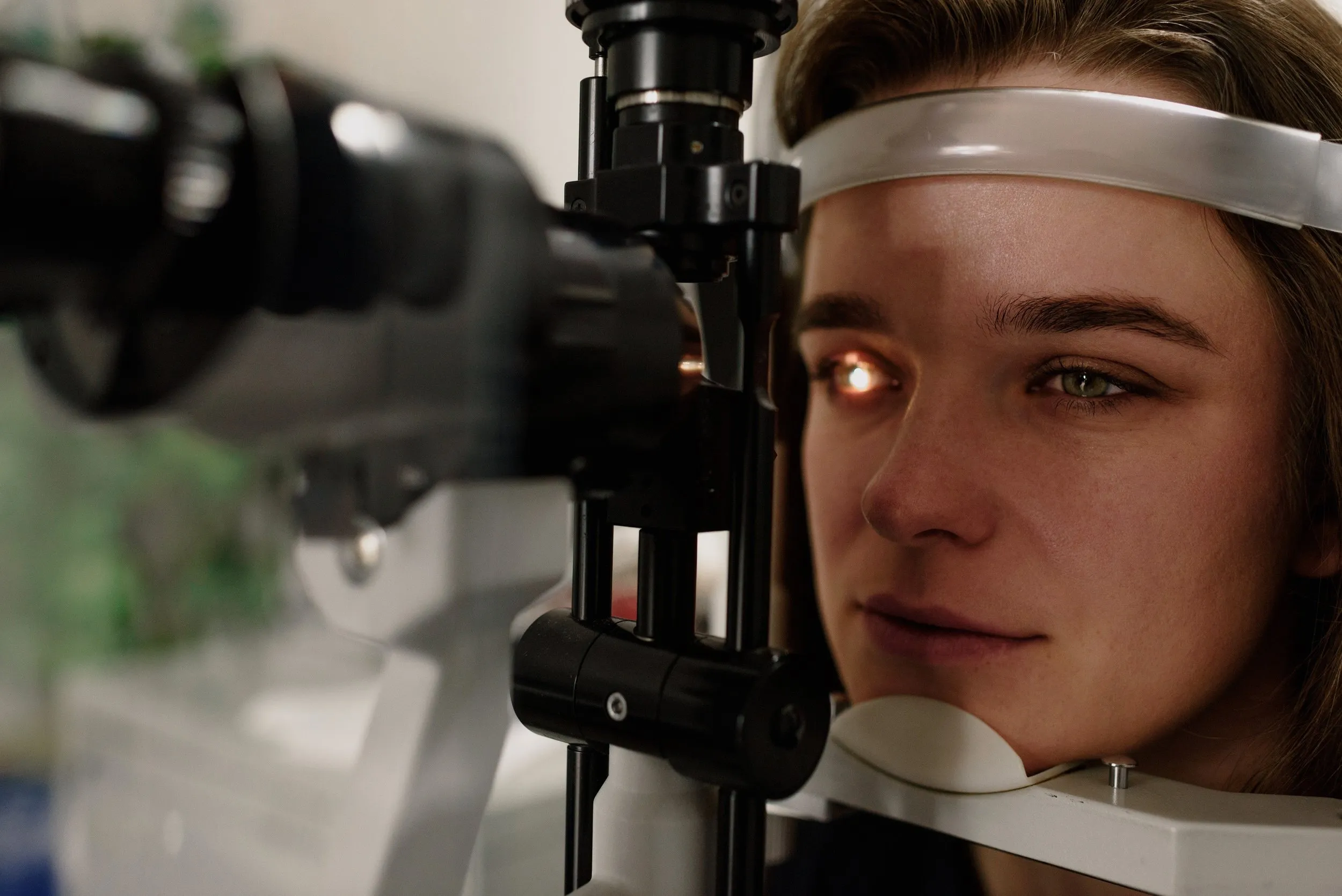
An electrocardiogram measures the heart’s electrical activity and can show irregular cardiac rhythms. When doctors need more functional data, they use a vascular ultrasound. Even though physical exams help, modern imaging tests reveal hidden anatomical problems, and a cardiologist relies on these objective results.
Physical stress tests measure cardiovascular endurance; a patient walks on a motorized treadmill while the doctor continuously monitors their pulse. If the heart struggles under pressure, the doctor records the physiological data. The heart specialist reviews the numerical output and determines the exact medical diagnosis.
When a vascular ultrasound yields inconclusive results, a doctor orders advanced imaging tools. These may include computed tomography scans and magnetic resonance imaging. Although these specific scans require large equipment, the resulting images are highly detailed, and they clearly display arterial blockages.
Guiding Timely Treatment
After a final diagnosis, proper treatment begins. Doctors prescribe targeted medications, and patients follow the instructions carefully. When basic lifestyle changes fail, a heart specialist recommends other medical options. Here are some of the treatment options a specialist may recommend:
- Medications to lower resting blood pressure.
- Anticoagulation management protocols for blood clots.
- Pacemaker installations for chronic rhythm issues.
- Surgical stents for fully blocked arteries.
Although oral medication works well, some patients may need invasive surgery, and a cardiologist promptly provides expert surgical referrals. They work closely with vascular surgeons and create a structured recovery plan.
Monitoring Heart Health
While initial pharmaceutical treatments fix acute problems, long-term physiological monitoring can prevent future anatomical issues. A heart specialist uses ongoing diagnostic tests. They perform routine carotid ultrasounds, and they check blood pressure levels manually. If a previous symptom returns unexpectedly, the doctor adjusts the current medication dosage.
Chronic cardiovascular conditions require constant medical attention; patients must attend scheduled appointments, and doctors must maintain precise clinical records. Doctors also explain the physiological condition, and patients ask specific medical questions. When individuals understand their clinical risks, they make better dietary choices.
Consult a Heart Specialist Today
Early medical diagnosis stops severe arterial disease. A heart specialist identifies structural problems early and prescribes effective clinical treatments. Before a vascular condition worsens, you should seek professional medical advice. Contact a qualified cardiologist near you to schedule your consultation today.