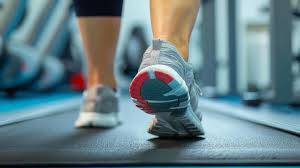
Flat feet can influence the way a person walks, stands, and moves throughout the day. When the arches provide less support, changes in alignment and weight distribution may place added strain on the feet, ankles, knees, and lower body. These effects often contribute to discomfort, fatigue, and reduced mobility over time. Here’s more information on the impact of flat feet on gait and movement:
Changing Foot Mechanics
Flat feet can affect how the foot and lower body function during movement. Here are some of the primary changes it can cause:
- Altered Weight Distribution: With flattened arches, weight is distributed unevenly across the foot, potentially leading to excessive pressure on certain areas.
- Reduced Shock Absorption: The arch’s natural ability to absorb impact forces is diminished, increasing the strain on joints and bones.
- Impaired Propulsion: It reduces the foot’s efficiency in pushing the body forward during walking or running, affecting overall gait.
- Misalignment of the Lower Body: Structural changes in the feet often lead to improper alignment of the ankles, knees, and hips, potentially causing discomfort or injury over time.
Understanding these mechanical changes underscores the need to address flat feet.
Identifying Effects on Gait Patterns
A normal gait cycle relies heavily on a functional arch. Flat feet disrupt the natural rolling motion, and they cause the foot to push off the ground differently. When a person walks with fallen arches, their stride loses basic biomechanical efficiency.
Overpronation significantly alters the natural heel-to-toe progression. The lower leg rotates inward during forward movement, and this shifts the downward pressure to the inner foot. Although the body attempts to self-correct this imbalance, the modified walking pattern requires more energy. As the foot repeatedly flattens against the ground, the internal structures work constantly to maintain steady balance.
Limiting Daily Mobility
Flat feet can contribute to a range of mobility challenges, impacting overall movement efficiency and physical comfort. Here are key issues associated with this condition:
- Altered Walking Mechanics: The flattening of the arch changes the natural walking pattern, requiring increased energy to maintain motion.
- Muscle Fatigue: Over time, muscles adapt to the altered mechanics by changing their firing patterns, which can lead to excessive fatigue.
- Ligament Strain: Repeated flattening stretches ligaments beyond their normal limits, potentially leading to discomfort or injury.
- Balance Issues: The body’s internal structures work harder to maintain balance, which may reduce stability and increase the risk of falls.
Understanding these challenges emphasizes the need for proper management techniques to maintain functional mobility and reduce discomfort.
Seeking Professional Help
A professional assessment precisely clarifies each individual’s structural needs. A specialist examines your walking gait, and they measure specific joint angles carefully. If you experience persistent structural changes, a clinical evaluation outlines key management strategies.
Supportive footwear provides a fundamental structural base for daily movement. Custom orthotics align the lower limbs properly, and structured shoes limit excessive inward rolling. Targeted internal inserts can distribute body weight evenly while you move through your environment.
Book Your Flat Feet Appointment
Flat feet can significantly impact mobility and quality of life if left unaddressed. Clinical specialists use advanced tools like pressure mapping and video stride analysis to accurately assess your walking patterns and identify biomechanical deficits. With the data, they create a tailored plan to improve your mobility and comfort. Contact a qualified foot and ankle specialist near you to book your appointment today.