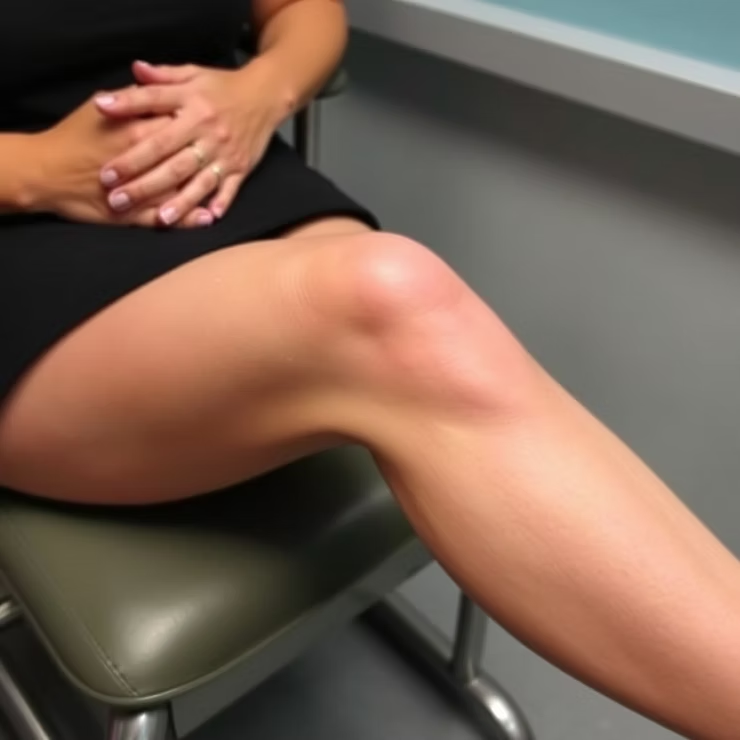
Bunions can create ongoing discomfort for athletes by affecting foot alignment, balance, and overall movement during training and competition. Repeated pressure on the feet and sport-specific demands may contribute to the development or progression of bunions over time. Here is a closer look at preventative measures for bunions in athletes:
Choosing Supportive Footwear
Selecting the right athletic shoes plays a key role in foot health. Tight shoes squeeze the toes together, and the compression often contributes to the development of bunions. Athletes should make sure their shoes have a wide toe box, as this design allows the toes to spread naturally during movement.
Shoe materials also impact joint pressure during rigorous workouts. Flexible fabrics accommodate foot swelling, and sturdy soles provide necessary arch support. If your shoes feel restrictive, think about choosing a different size or brand that accommodates your foot shape. Athletes should replace worn-out shoes before the structural integrity degrades completely. Old shoes lose their shock-absorbing capabilities, and this deficit forces the foot joints to absorb greater impact forces.
Managing Training Habits
Your training routine can directly influence the health of your toe joints. To minimize stress on the forefoot during training, evaluate the following strategies:
- Adapt Training Surfaces: Incorporate a variety of surfaces, such as grass or track, into your routine to decrease pressure on the forefoot.
- Progress Gradually: Avoid sudden increases in training intensity or volume to prevent overloading the forefoot.
- Alternate Activities: Swap some high-impact running sessions for low-impact activities such as cycling or swimming to reduce repetitive stress on the forefoot.
- Limit Consecutive Training Days: Minimize back-to-back training sessions on hard surfaces to decrease the likelihood of overuse injuries.
- Incorporate Toe-Stretching Exercises: Include specific toe-stretching movements to enhance flexibility and support proper foot mechanics.
- Reduce Workout Volume: Cut back on training intensity and duration at the first sign of joint stiffness to prevent further strain or injury.
Incorporating these strategies into your training plan can help you reduce the risk of forefoot injuries and enhance overall foot health.
Incorporating Support Strategies
Athletes often need supplementary support to maintain proper foot alignment. To reduce pressure and protect the big toe joint, you should think about incorporating the following support tools for daily use:
- Custom Orthotic Inserts: Correct faulty foot mechanics and evenly distribute body weight across the entire sole.
- Padding: Provides an immediate defense against friction inside the shoe, preventing blisters and skin irritation.
- Silicone gel shields: Cover the vulnerable joint area to act as a barrier against pressure and irritation.
- Toe separators: Use at night to gently stretch the tight ligaments around the hallux valgus.
- Taping: Provides temporary stability during athletic events by restricting abnormal joint movement with medical tape and maintaining proper alignment of the big toe.
Incorporating these tools into your routine can significantly alleviate joint stress and enhance comfort and performance.
Seeking Professional Care
Medical assessment prevents mild joint issues from becoming severe deformities. A podiatrist can identify structural risks early, and the professional insight guides effective preventive care. Athletes often miss the initial warning signs of joint deviation because bunions progress slowly.
Recognizing symptoms early allows for conservative treatment applications. You may experience a dull ache after running, or you may notice slight redness around the joint. If these symptoms persist, you should seek a clinical evaluation to halt further joint deterioration.
Schedule Your Bunions Evaluation Today
Bunions present a serious challenge to athletic longevity and foot comfort. Choosing proper footwear, managing your training habits, and utilizing support strategies can help you protect your joints from excessive stress. Contact a qualified podiatrist near you to schedule your bunion evaluation today.