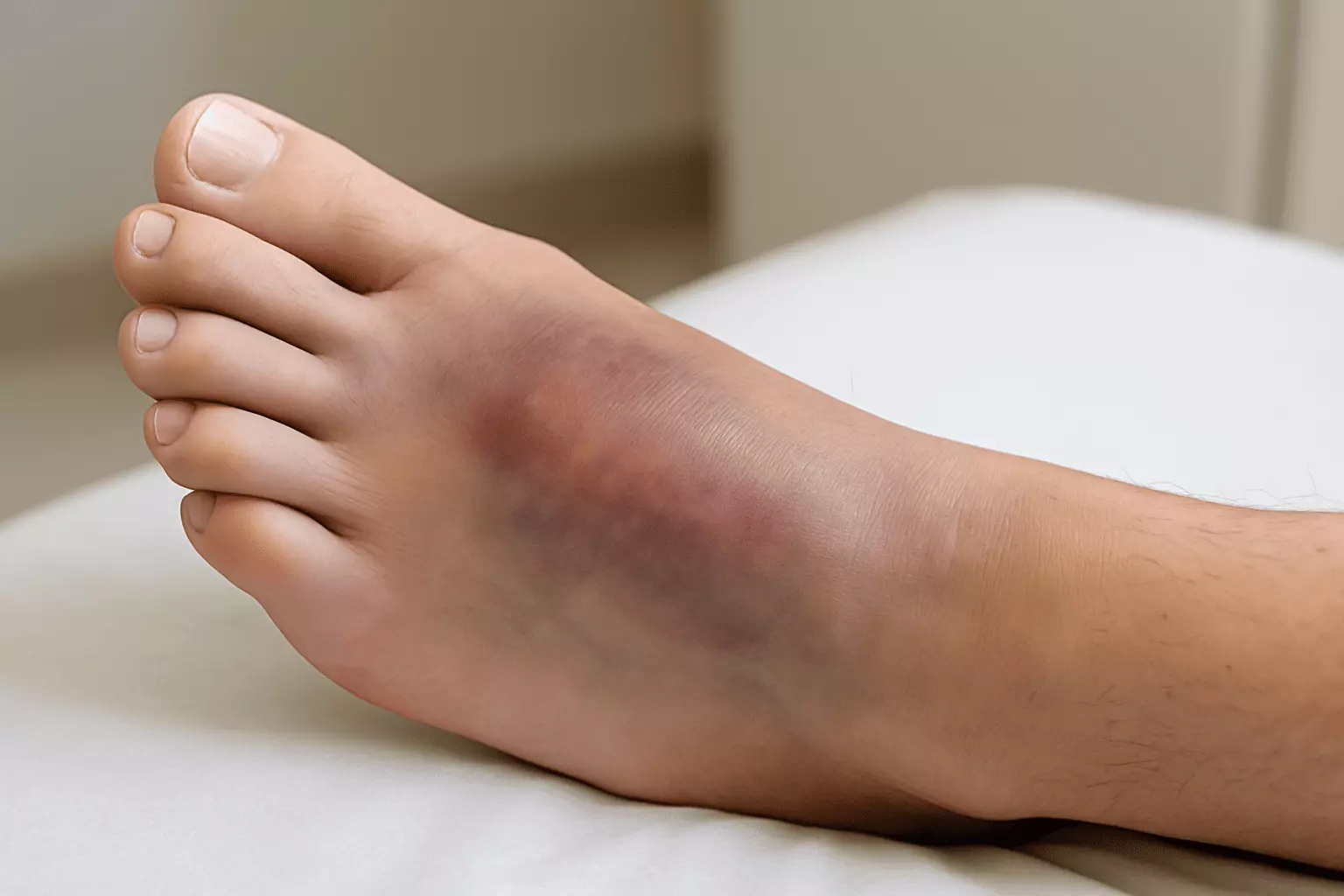
Joint pain is a symptom associated with conditions such as arthritis, and this discomfort can affect mobility and daily activities. When you experience ongoing joint pain, seeking a professional evaluation can help identify the underlying cause and determine a path forward. Understanding the available management options is a helpful first step. Here are pain management approaches to controlling arthritist pain:
Various Injections
Different types of injections are available for managing joint pain. Platelet-rich plasma (PRP) injections use a concentration of a patient’s own platelets to support the body’s natural healing processes. Steroid injections help reduce inflammation, while hyaluronic acid injections replenish the joint’s natural fluid. For back and neck pain, spinal injections deliver medication directly to the source of the discomfort.
Orthotic Support
Orthotic devices are external supports, and they are designed to assist with structural and functional characteristics of the body. These supports are customized to fit your specific needs. While you may find generic options at a pharmacy, custom-made orthotics are crafted from molds of your body to provide targeted support and alignment.
These devices may include shoe inserts, braces for knees or ankles, or supports for the spine. An orthotic device is made to modify movement, and it works by providing stability to a joint. During daily activities, this added support can help redistribute pressure.
Physical Therapy
Physical therapy is a structured approach to improving movement and function. A physical therapist will first assess your condition. After the evaluation, they develop a personalized treatment plan to address your specific goals and physical needs. This plan guides your sessions.
Therapists use a combination of techniques, which are tailored to your situation. Manual therapy might involve hands-on methods to mobilize joints and soft tissues, while therapeutic exercises focus on building strength and flexibility. The goal of these combined approaches is to restore function and improve your ability to perform daily tasks.
Each session builds upon the last one. They monitor progress regularly, so adjustments to your plan occur as your condition changes. Your active participation is a key component of the process, and you typically receive exercises to perform at home to continue your progress between appointments.
Advanced Radiofrequency Neurotomy
Radiofrequency neurotomy is a procedure that uses heat to disrupt nerve function. Because the nerves are no longer able to send pain signals, you may experience relief. A specialist performs this minimally invasive technique using imaging to guide the placement of a small needle. This procedure addresses specific nerves responsible for transmitting pain signals from a joint.
The process involves:
- Identifying the target nerve.
- Placing an electrode near the nerve.
- Applying a controlled radiofrequency current.
Get Treated for Joint Pain
Managing joint pain involves exploring various treatments, and these range from injections and orthotics to physical therapy and advanced procedures. Each approach offers a different way to address the discomfort associated with conditions like arthritis. Working with a healthcare provider allows you to find a suitable management plan for your specific circumstances. If you are experiencing joint pain, schedule a consultation and learn more about your treatment options.