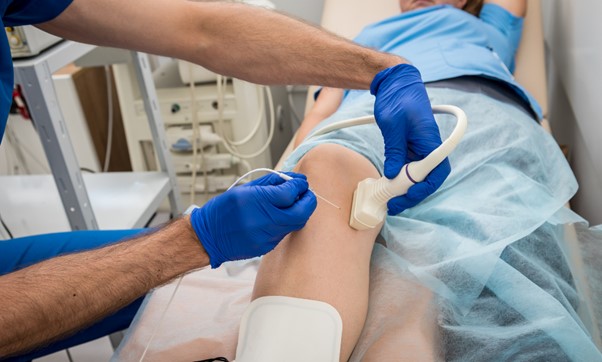
Lower back pain is discomfort or stiffness occurring in the lumbar region of the spine. This area supports a significant portion of the body’s weight, making it susceptible to injury, muscle strain, and degenerative changes over time. Back pain can range from a dull, constant ache to sudden, sharp sensations that make movement difficult. Medical professionals evaluate the specific causes of pain before developing a treatment plan, starting with conservative methods before surgical procedures. Here’s information on lower back pain conditions and what services specialists offer to effectively reduce pain:
Lifestyle Adjustments and Physical Therapy
Medical professionals often start pain management plans with non-surgical interventions, as conservative treatments can reduce pain for many people. Weight management, ergonomic adjustments in the workplace, and modified daily activities reduce unnecessary stress on the lumbar spine. Physical therapy is a core component of this conservative approach. Physical therapy strengthens the muscles supporting the spine, and lifestyle changes help reduce unnecessary strain over time. Lower back pain specialists often work with physical therapists, overseeing the entire treatment plan for comprehensive care.
A physical therapist will typically guide individuals through targeted exercises that improve flexibility, build core strength, and correct posture. These exercises aim to provide better structural support for the spine, which often also reduces pain. By addressing the mechanical issues contributing to discomfort, patients may experience improved mobility and reduced localized pain without the need for invasive procedures.
Spinal Decompression Surgeries
When conservative treatments do not provide sufficient relief, or if there is evidence of nerve compression, a doctor may discuss surgical options. Spinal decompression surgeries aim to relieve pressure on the spinal cord or nerve roots, as surgeons can create more space within the spinal canal. Depending on the specific diagnosis, a surgeon may recommend one of the following approaches:
- Discectomy: This procedure involves removing a portion of a herniated or damaged intervertebral disc that is pressing on a nerve root or the spinal cord.
- Foraminotomy: Surgeons perform this procedure to enlarge the passageway (foramen) where a spinal nerve root exits the spinal canal. A foraminotomy relieves compression caused by bone spurs or disc material.
- Laminotomy: This surgery removes a small portion of the lamina, or the bony arch of the vertebra, to relieve localized pressure.
- Laminectomy: In this procedure, the surgeon removes the entire lamina to widen the spinal canal and alleviate pressure.
Spinal Fusion Surgeries
Spinal fusion is a surgical procedure that corrects problems with the small bones in the spine. The fundamental goal of a spinal fusion is to weld two or more vertebrae together so that they heal into a single, solid bone. This process eliminates motion between the painful vertebrae, which can help alleviate discomfort caused by structural instability. Surgeons use bone grafts, which can be taken from a bone bank or from the patient’s own body, to stimulate the healing process. They also use metal plates, screws, and rods to hold the vertebrae together while the bone graft heals.
Contact a Lower Back Pain Specialist
Because the causes of spine-related issues vary widely, an accurate diagnosis is necessary to determine the most appropriate treatment plan. Addressing lumbar discomfort requires a thorough evaluation by a qualified medical provider. If you are experiencing persistent back pain, schedule a consultation with a pain management specialist. They will review your medical history, perform a physical examination, and order necessary imaging tests to determine your treatment options. Contact a spinal pain specialist today to discuss an individualized plan for your structural health.