Key Takeaways
- Publishing student stories enhances writing and communication skills.
- It fosters empathy and understanding among peers.
- Students gain confidence by sharing their narratives.
- Collaborative storytelling promotes critical thinking and creativity.
Publishing student stories offers an engaging and practical way to develop communication skills within the classroom. When students share their personal narratives, they are not only refining their writing skills but also nurturing qualities such as confidence, empathy, and respect for diverse perspectives. With the increased demand for strong communication abilities in today’s world, creating opportunities for students to publish their own stories fosters essential lifelong skills. Click Here to discover innovative ways schools are helping students bring their stories to life and gain real-world writing experience.
Incorporating student storytelling into learning environments encourages young writers to articulate their thoughts, develop creative expression, and meaningfully engage with peers. Publishing provides a tangible purpose for writing, giving students an authentic audience that brings greater significance to their work. It helps bridge the gap between classroom learning and real-world communication, cultivating stronger writers and more empathetic communicators.
When students see their work published, whether in print or digitally, it validates their voices and motivates them to improve further. For teachers, facilitating student publishing harnesses the power of storytelling to create connections among learners and to support both academic and personal growth. By cultivating an environment where stories are shared, classrooms transform into collaborative communities that value every learner’s experience.
To foster critical thinking and communication, educational experts often recommend using project-based learning to deepen student engagement and comprehension. This method has been shown to boost not only communication skills but also collaboration and creativity, according to Edutopia, a widely respected education resource.
Enhancing Writing and Communication Skills
Regular opportunities to publish encourage students to organize their ideas, plan their narratives, and express themselves more clearly. The discipline of revising drafts, receiving feedback, and seeing a polished final product instills foundational communication techniques. The New York Times Learning Network offers examples of student writing across diverse genres and illustrates how publishing assignments can strengthen grammar, vocabulary, and overall expressive skills.
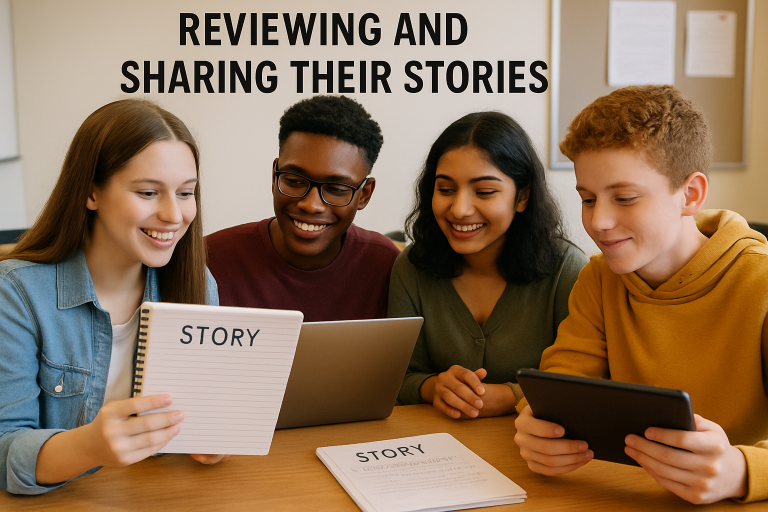
By moving through the stages of idea development, drafting, editing, and publication, students learn to tailor their messages for different audiences and purposes. These experiences translate to stronger performance across all academic subjects and set the stage for effective communication in future college and career opportunities.
Fostering Empathy and Understanding
Sharing personal narratives extends learning beyond grammar and composition. When students read each other’s work, they gain insight into their classmates’ backgrounds, values, and emotions. This shared storytelling experience cultivates empathy, understanding, and a sense of community. Programs like the Student Press Initiative at Teachers College, Columbia University, highlight how publishing fosters environments in which every student’s voice is recognized and appreciated, encouraging a culture of respect and active listening.
Building Confidence Through Sharing
Having their stories published provides students with validation and a sense of accomplishment. This recognition can have a meaningful impact on self-esteem and willingness to participate in class. Student journalism platforms, such as Scholastic Kids Press, are excellent examples of how students grow in confidence as they report and write stories for their peers. Knowing their work will be read motivates students to put forth their best effort and take pride in their achievements.
Promoting Critical Thinking and Creativity
Collaborative storytelling and publishing challenge students to think outside the box and reflect on their ideas from multiple angles. Activities like co-authoring stories, participating in writing workshops, and peer editing help develop both critical thinking and creative skills. Research from the arXiv study “Connection is All You Need” supports the significant role interactive storytelling can play in enhancing children’s ability to build connections and navigate complex narratives, skills needed in an increasingly interconnected world.
Implementing Story Publishing in the Classroom
Classroom Blogs and Newsletters
One effective way to publish student stories is by creating class blogs or newsletters. Digital publishing platforms make it easy for students to share a range of work, from reflective essays to short stories, poetry, or multimedia projects. This approach gives students a voice in their own learning and sparks an ongoing dialogue among the class.
Collaborations with Local Media
Working with local newspapers and community magazines can give students a wider audience and real-world writing experience. These opportunities show students the impact of their voices and encourage them to address topics that matter to them and their communities.
Digital Storytelling Platforms
Technological tools allow students to present their stories using video, audio, and interactive media. These creative outlets help meet the needs of various learning styles, making storytelling accessible and engaging for everyone. By integrating technology, teachers can allow students to demonstrate their communication skills in dynamic ways.
Overcoming Challenges
Publishing student work entails responsibilities, including ensuring privacy, establishing content guidelines, and maintaining a safe environment for all participants. Teachers should clearly communicate expectations, involve parents through consent processes, and develop supportive editing and review systems. Providing constructive feedback and celebrating diverse voices can help create a positive, inclusive culture around storytelling.
Conclusion
Empowering students to publish their stories leads to improved communication skills, greater empathy, heightened confidence, and more creative thinking. By embedding storytelling and publishing opportunities in educational settings, teachers foster not just capable writers, but well-rounded, thoughtful communicators equipped to engage with the world around them. These practices prepare students for success in academics, future careers, and meaningful participation in society.