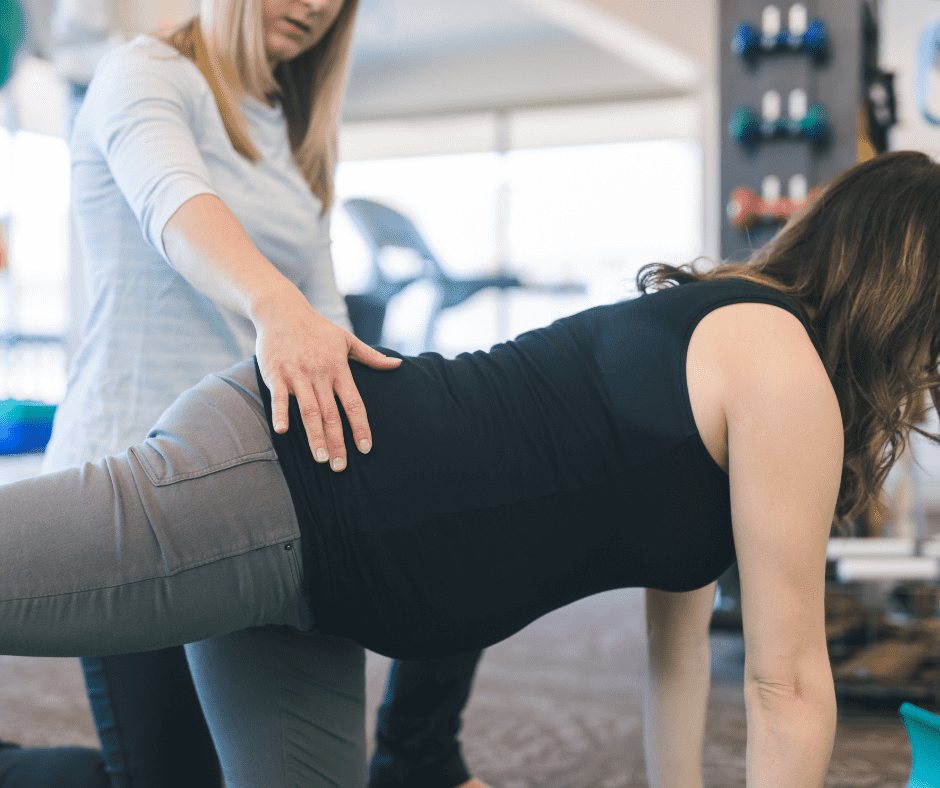
Recovering from surgery involves more than allowing the body time to heal; it requires a structured approach to restoring strength, mobility, and function. Physical therapy plays a significant role in this process by guiding patients through targeted exercises and rehabilitation techniques tailored to their specific needs. By promoting safe movement and reducing the risk of complications, physical therapy supports a more efficient and complete recovery.
Accelerating Healing Through Guided Movement
Resting after surgery is necessary, but too much inactivity can slow your recovery. Gentle, guided movement helps your muscles and joints stay flexible and improves blood flow to the surgical site. This circulation delivers nutrients and removes waste, helping your body heal faster through physical therapy.
A physiotherapist knows exactly how much stress your tissues can safely handle and will watch you closely, modifying exercises if you feel discomfort. This supervision prevents you from pushing your body too hard. Your therapist will guide you through specific exercises designed to:
- Activate dormant muscles and improve joint mechanics.
- Teach you gentle stretches and make sure you perform them correctly.
- Explain the purpose behind each exercise in your routine.
- Help you regain function safely and confidently.
This targeted approach awakens your muscles and helps you feel confident, knowing that every movement is designed to support your productive recovery.
Restoring Strength and Functional Mobility
Surgery can cause muscle weakness in the affected area, so regaining strength is key. Physical therapy uses targeted exercises to rebuild your endurance safely. You will start with light resistance, then gradually increase the challenge as you heal. Functional rehabilitation focuses on daily activities, and your therapist will create a custom routine for you.
As you get stronger, your therapist adapts your exercise program. They will introduce more complex movements and may add balance drills to improve stability. These workouts train your body to function as a whole unit again. Your therapeutic exercises will change with your abilities over time, ensuring a smooth and effective recovery.
Managing Pain and Reducing Inflammation
During your rehabilitation, managing discomfort is a key priority. Uncontrolled swelling can limit your physical activity, so physical therapy uses various techniques to address these symptoms naturally. Your therapist might use manual therapy to reduce localized swelling, and gentle exercises will prevent your joints from becoming stiff. You will also learn positions that relieve pressure on your surgical site.
Therapists also use several methods to soothe irritated tissues. These treatments provide temporary relief, and they help you complete your exercises. These supportive measures create a more comfortable recovery experience. The most common techniques include the following options:
- Gentle massage techniques to relax tight muscles.
- Cold therapy applications to control acute swelling.
- Heat treatments to improve tissue flexibility before movement.
- Targeted compression strategies to support joint stability.
Preventing Complications and Reinjury
The period after surgery has specific risks. Scar tissue can limit your range of motion, but physical therapy helps. Targeted stretching and regular exercise prevent these adhesions from restricting your movement. Your therapist will monitor your progress and catch any warning signs early. You might also develop poor body mechanics to protect a healing injury, but physiotherapy corrects these habits before they cause other problems.
Education is key to keeping you safe at home. You need to think about how you move around your living space. Your therapist will give you clear guidelines on activities to avoid for a while and make sure you have the knowledge to protect your surgical repair.
Book Your Physical Therapy Appointment
Navigating the aftermath of a surgical procedure rarely feels easy, but a structured physical therapy program gives you the tools needed to return to your active lifestyle. Reach out to a physical therapy specialist today to support your healing. Book an appointment with an experienced professional near you for a thorough assessment and comprehensive, personalized care tailored to your specific needs, helping you return to efficient physical function and mobility.