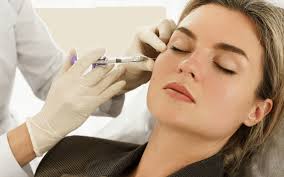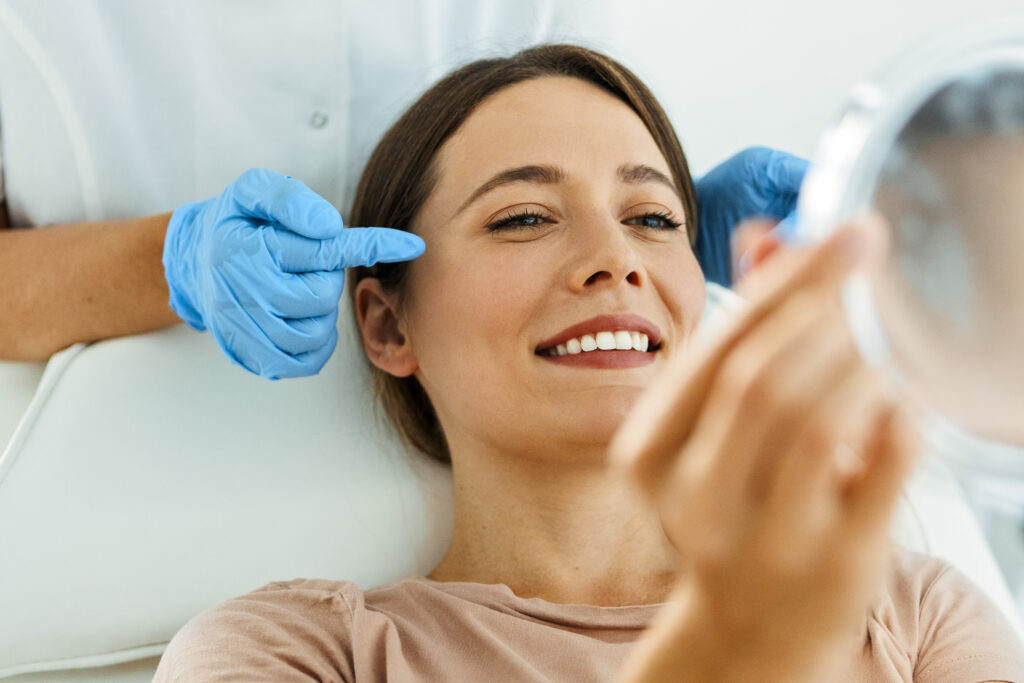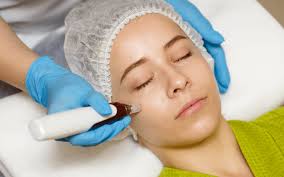
Microneedling is a cosmetic skin treatment that targets the face using small needles to create tiny punctures, which the body then heals naturally. Practitioners use a motorized device, and the tool rapidly creates superficial channels in the skin. When the skin sustains these controlled injuries, it produces additional collagen, and this new tissue can reduce the appearance of scars. Collagen provides firmness, and higher levels improve skin texture. The immune system responds to the micro-injuries, and the body generates new skin cells that enhance smoothness. The needles penetrate the outermost layer, and the skin enters a brief healing phase. Although the procedure involves needles, patients experience minimal discomfort, and recovery typically lasts a few days.
Defining the Microneedling Procedure
Dermatologists classify microneedling as collagen induction therapy. The treatment produces controlled skin injury, and the body replaces the damaged tissue with new collagen. When the provider moves the device across the skin, the needles make microscopic holes, and this action triggers the healing response. The device contains sterilized needles. The provider adjusts needle depth, and the penetration level matches the targeted skin concern, such as acne scars, fine lines, or stretch marks. Because different areas require varying depths, the provider customizes settings, and the procedure addresses these specific issues.
Treatment protocols vary depending on skin type, severity of skin concerns, and treatment goals. Some patients undergo multiple sessions, and intervals between treatments influence outcomes. Plans may be adjusted for safety and effectiveness after evaluating skin response. Most patients tolerate the procedure well, and proper technique and sterilization reduce the risk of infection. Providers review patient history, and recent skin infections or inflammatory conditions may delay treatment. Open wounds and active acne often preclude microneedling, and alternative therapies are recommended for individuals with keloid scarring.
Explaining the Process
Before the procedure, providers clean the skin thoroughly. The practitioner applies a numbing cream, which reduces physical sensation, and the patient waits approximately thirty minutes for the cream to take effect. The device is then moved across the treatment area, and the needles penetrate quickly and uniformly to promote even healing and collagen production. After the small injuries are created, the provider applies a soothing serum, often containing hyaluronic acid, to calm the skin and support recovery.
The actual needling process generally takes about twenty minutes. Providers monitor the skin throughout, and adjustments are made to depth or technique based on skin response. Patients typically experience mild redness that subsides within a few days, and follow-up sessions are scheduled according to the treatment plan. Combining microneedling with topical serums can improve hydration and support skin repair.
Recovery and Benefits
After the procedure, patients follow recommended aftercare instructions, such as avoiding harsh skincare products and direct sun exposure, to minimize complications like prolonged redness or irritation. Collagen production continues for weeks after treatment, and new skin cells improve texture, reduce scar visibility, and enhance elasticity. Topical serums applied during or after sessions can penetrate deeper into the skin, promoting hydration and tissue repair. Patients generally require multiple sessions to achieve optimal results, and providers evaluate skin response before continuing treatment.
Microneedling can improve the appearance of fine lines, acne scars, and stretch marks, and it supports gradual improvement in skin texture. The procedure stimulates natural healing processes, and repeated sessions may progressively enhance visible results. When performed by trained professionals, microneedling carries minimal risk and is suitable for a range of skin types.
Find a Clinic
Microneedling is a controlled cosmetic procedure that uses tiny needle punctures to stimulate collagen production and new skin cell growth. Providers adjust needle depth, session frequency, and treatment areas according to individual skin concerns. The process combines careful preparation, precise device use, and post-procedure serums to optimize healing. Recovery is brief, and skin improvements become noticeable over time. By following individualized protocols, practitioners support safe and measurable enhancements in texture, scar reduction, and skin firmness. Microneedling is a versatile dermatologic option that integrates biological healing with professional technique for improved skin appearance. Find a clinic in your area to get started.
- Finding Your Dream Home in St. Paul, Minnesota: A Comprehensive Guide
- How Does Blockchain Technology Work Step by Step? (Simple Guide)
- Purchasing a Home in Danville, California: A Comprehensive Guide
- Streamlining Commercial Construction Projects with Modern Technology
- Transforming Your Bathroom: The Benefits of Converting a Tub to a Walk-In Shower