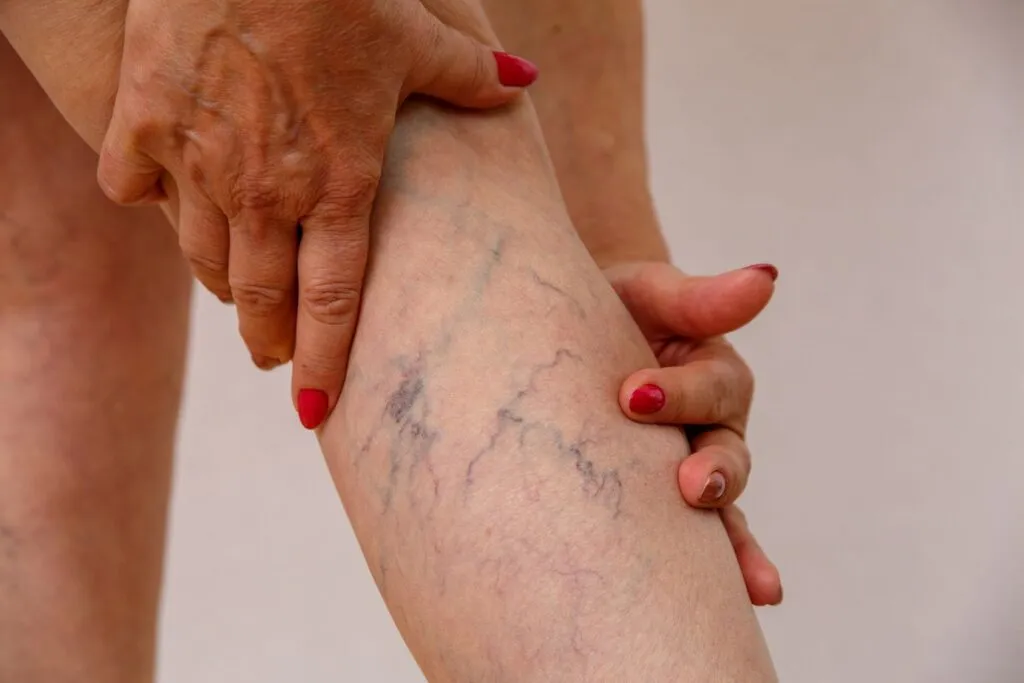
Wound care involves monitoring and treating serious injuries to the skin and underlying tissues. Proper wound treatment protects the affected area from external contaminants, and it supports the body’s natural tissue regeneration processes. These services are invaluable for individuals managing wounds like a surgical incision, a deep laceration, or a pressure ulcer. By healing damaged skin barriers, wound care specialists reduce the risk of infection and aim to improve patients’ functionality. Here’s information on key tips about wound care to promote a smooth recovery:
Communicate With Your Specialist
Minor abrasions generally heal without medical intervention, but complex injuries require professional guidance. You should seek immediate clinical attention if a wound is exceptionally deep, exhibits jagged edges, or spans across a major joint. Individuals with underlying health conditions, such as diabetes or vascular disease, must be particularly vigilant regarding skin injuries. A professional assessment clarifies the exact severity of the injury and establishes the necessary clinical baseline for recovery. Contact a wound care specialist if the affected area shows signs of:
- Persistent Redness
- Progressive Swelling
- Purulent Drainage
Consistent follow-up appointments allow medical professionals to monitor your healing trajectory objectively and consistently. Specialists use these clinical visits to measure wound dimensions, evaluate the health of surrounding tissue, and adjust treatment modalities as needed. Regular check-ins enable your provider to identify subtle signs of delayed healing that might not be visible to the untrained eye. This continuous oversight makes sure that minor setbacks receive attention before they evolve into more serious challenges.
Get Infection Management
To promote optimal healing, you must address local infections before advancing to other phases of recovery. Pathogens can severely impede the formulation of new granulation tissue and cause further degradation of the wound bed. Managing this bacterial burden requires targeted interventions designed to establish a clean, balanced environment.
Wound cleansing is the meticulous process of applying specialized, sterile solutions to irrigate the injured area. This step safely removes loose debris, excess exudate, and surface pathogens without harming delicate new cell growth. Debridement is the purposeful medical removal of necrotic, damaged, or infected tissue from the wound margins. Practitioners may use surgical, mechanical, or enzymatic debridement methods depending on the current state of the tissue. After clearing the compromised matter, the healthy tissues are exposed, and the body can begin to heal naturally.
Follow Your Personalized Care Plan
Because every injury has different anatomical challenges, medical providers develop customized treatment strategies based on your specific wound characteristics and overall health profile. Your personalized care plan provides explicit instructions on dressing selection, bandage change frequency, and necessary activity modifications. You must follow these targeted guidelines closely, or your recovery timeline may be extended. Consistency in executing these daily care routines directly influences your clinical outcomes. Deviating from the prescribed plan, such as applying unapproved ointments or exposing the area to excessive moisture, can easily disrupt your recovery rates.
Contact a Wound Care Specialist
To recover from a severe or stagnant wound, you will often need a wound care specialist. Being treated by a professional helps prevent unnecessary discomfort and prolonged healing times. A wound specialist will thoroughly evaluate your condition and implement an effective strategy, focusing on your specific health factors. Contact a wound care specialist today, as they can determine which services are appropriate for your needs, setting you up for successful recovery.
- Small Mental Wellness Habits for Albuquerque’s Everyday Life
- Finding Your Dream Home in St. Paul, Minnesota: A Comprehensive Guide
- How Does Blockchain Technology Work Step by Step? (Simple Guide)
- Purchasing a Home in Danville, California: A Comprehensive Guide
- Streamlining Commercial Construction Projects with Modern Technology