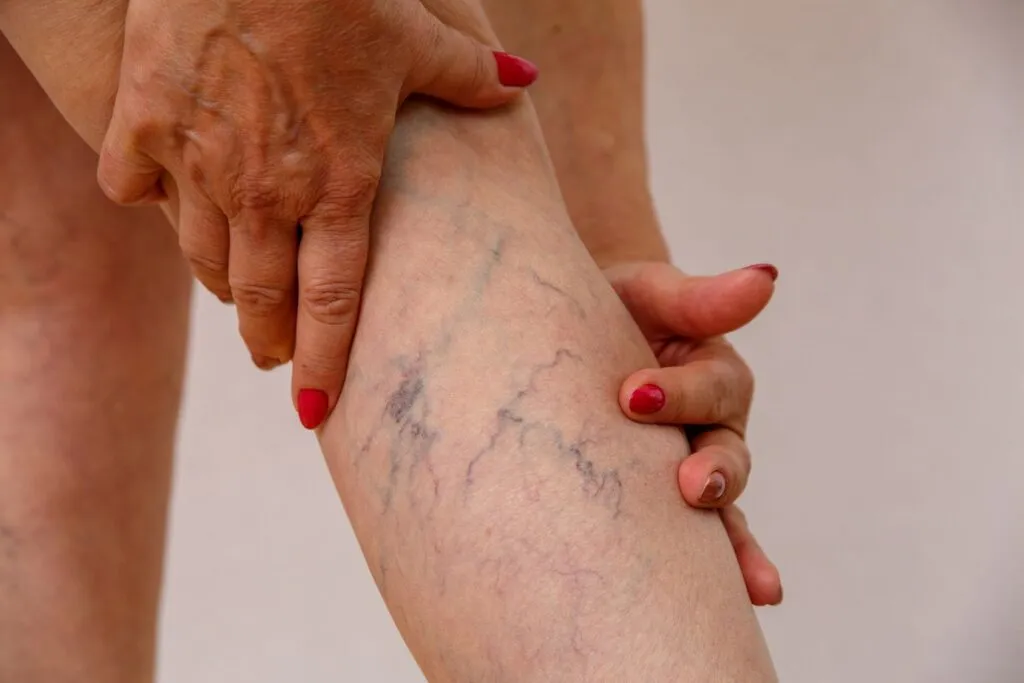
Diabetic neuropathy can affect the nerves in the feet, making it harder to notice pain, pressure, cuts, or other early signs of injury. The loss of sensation can increase the risk of infections, ulcers, and other serious foot problems if proper care is not maintained. Here’s a closer look at how diabetic neuropathy impacts foot health:
Understanding Nerve Damage
Nerve damage alters normal sensation, leading to distinct changes in how your feet feel and function day to day. You may not notice these changes immediately, but they progress steadily over time if blood sugar levels remain uncontrolled. Here are some of the signs of diabetic neuropathy:
- Loss of Sensation: Nerves stop sending pain signals to your brain, meaning you may not feel cuts or blisters.
- Temperature Insensitivity: You lose the ability to tell whether water is too hot or too cold, increasing the risk of severe burns.
- Muscle Weakness: The muscles in your feet can lose their strength, which often shifts how you walk and stand.
- Changes in Foot Shape: As muscles weaken and joints shift, your feet may develop structural changes that alter how shoes fit.
These symptoms require steady monitoring, and detecting them early is a key step in preventing further complications.
Preventing Diabetic Foot Problems
When diabetic neuropathy reduces your ability to feel pain, minor foot issues can evolve into severe complications. A simple pebble in your shoe can cause a blister, and that blister can become an infected ulcer if it goes unnoticed. Poor circulation often accompanies diabetic nerve damage, which significantly slows the body’s natural healing process. If an infection reaches the bone, medical professionals must take immediate action to prevent the need for surgical removal of the affected tissue.
Dry skin is another common challenge for individuals managing this condition. Autonomic nerves control moisture and oil production in your feet, but neuropathy disrupts this natural regulation. Your skin becomes dry and cracked, creating open pathways for harmful bacteria to enter the body. Fungal infections thrive in these compromised areas, and they demand prompt medical intervention to resolve safely.
Building Daily Foot Habits
Establishing a reliable routine can safeguard your feet against the silent threats posed by reduced sensation. Building these practices into your everyday schedule is fundamental. Here are some of them:
- Daily Inspections: Look for cuts, redness, or swelling every day, using a mirror to check the bottoms of your feet.
- Proper Washing: Clean your feet daily with warm water and mild soap, but never soak them for long periods.
- Careful Drying: Pat your skin completely dry with a soft towel, paying extra attention to the spaces between your toes.
- Safe Moisturizing: Apply a thin layer of lotion to the tops and bottoms of your feet, keeping the toe areas completely dry.
Following these steps can lower your risk of infection, and they form the foundation of effective preventive care.
Seeking Professional Care
While daily home care can act as your primary defense, certain situations demand immediate evaluation by a qualified healthcare provider. You should seek professional guidance if you notice any open sores, unusual swelling, or localized warmth that lasts for more than a few days. An ingrown toenail may seem like a minor nuisance, but it requires professional treatment when you have reduced sensation and poor circulation. Medical professionals possess the right tools to handle these issues safely, which prevents minor irritations from becoming dangerous infections.
Schedule Your Diabetic Neuropathy Appointment
Proper foot care is a key component of living safely with diabetic neuropathy, requiring daily diligence and professional oversight. Inspecting your feet daily and practicing good hygiene can help you effectively prevent severe complications. Routine monitoring protects your mobility, and timely medical intervention addresses issues before they escalate into major health crises. Contact a qualified pain specialist near you to schedule your diabetic neuropathy appointment today.
- Small Mental Wellness Habits for Albuquerque’s Everyday Life
- Finding Your Dream Home in St. Paul, Minnesota: A Comprehensive Guide
- How Does Blockchain Technology Work Step by Step? (Simple Guide)
- Purchasing a Home in Danville, California: A Comprehensive Guide
- Streamlining Commercial Construction Projects with Modern Technology