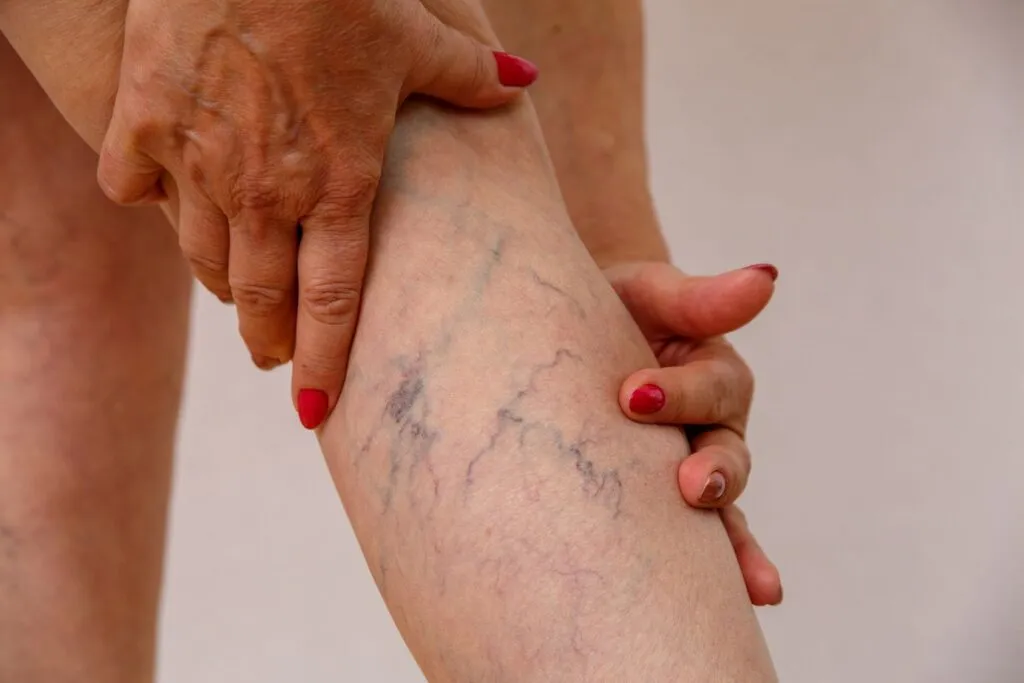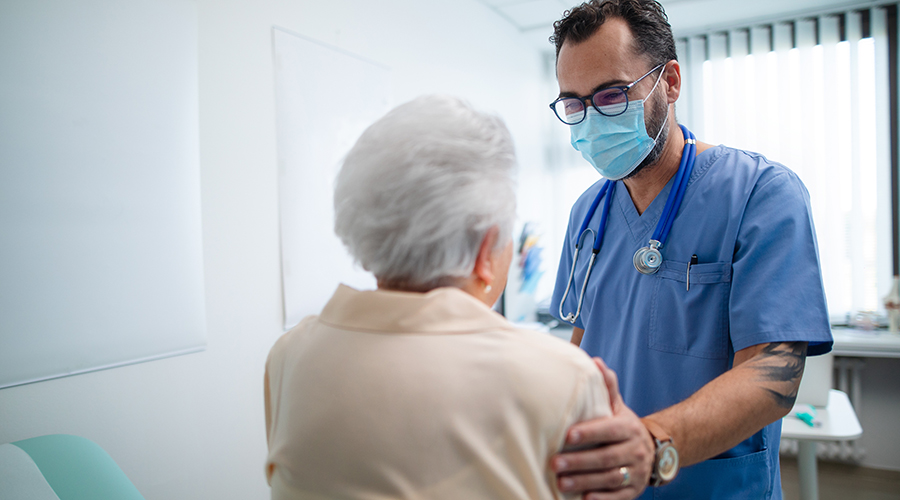
As individuals age, they may face health challenges that affect their mobility, function, and overall quality of life. Geriatrics is a specialized field of medicine that is focused on addressing the unique needs of older adults. It employs a comprehensive approach to help individuals recover from illness, injury, or surgery, with the primary goals of restoring function and promoting independence. This process is designed to support a patient’s ability to live an active life.
What Is Geriatrics?
Geriatrics is the branch of medicine dedicated to the health and care of older people. It recognizes that the aging process involves distinct physiological changes and that older adults often present with multiple health conditions simultaneously. A geriatric specialist, or geriatrician, is a physician trained to prevent, diagnose, and treat diseases and disabilities in older individuals. The practice of geriatrics is patient-centered, focusing on an individual’s specific health goals and preferences. This medical specialty aims to improve function and well-being, rather than solely focusing on curing disease.
What Does It Address?
Geriatric rehabilitation addresses a wide range of conditions that commonly affect older adults. These conditions can limit mobility, reduce strength, and interfere with daily activities. A primary area of focus is recovery following orthopedic events, like joint replacement. Rehabilitation programs are structured to help patients regain strength. Rehabilitation helps manage symptoms and adapt to functional changes.
This field also assists with recovery from major medical events, helping individuals rebuild stamina and healthy function. Many programs can address general deconditioning that results from prolonged illness or hospitalization. The objective is to restore a person’s capacity for self-care. Pain management is another component, using various techniques to alleviate discomfort from conditions like arthritis.
What Does It Involve?
The rehabilitation process is a collaborative effort involving a team of healthcare professionals. A physician oversees the patient’s medical care and rehabilitation plan. Physical therapists work with patients to improve strength, balance, coordination, and mobility through targeted exercises and activities. Occupational therapy can help individuals regain the skills needed for daily living, such as dressing, bathing, and preparing meals. They may recommend adaptive equipment to make tasks easier and safer. A physician aims to monitor the patient’s health, administer medications, and provide education on managing chronic conditions. Certain practices may offer support by coordinating care and connecting patients with relevant resources. The team works together to create a personalized plan that sets achievable goals for the patient’s recovery journey.
Speak With Your Doctor
If you or a loved one is experiencing a decline in function or recovering from a medical event, discussing geriatric rehabilitation with a physician is a proactive step. A doctor can evaluate your specific health situation and determine if a referral to a rehabilitation program is appropriate. They may explain the potential benefits and help you find a suitable program. This can be the case whether it is a specialized facility, an outpatient clinic, or home-based care. Open communication with your healthcare provider will help you understand your options for improving physical function and maintaining an independent lifestyle.
- Finding Your Dream Home in St. Paul, Minnesota: A Comprehensive Guide
- How Does Blockchain Technology Work Step by Step? (Simple Guide)
- Purchasing a Home in Danville, California: A Comprehensive Guide
- Streamlining Commercial Construction Projects with Modern Technology
- Transforming Your Bathroom: The Benefits of Converting a Tub to a Walk-In Shower